


The Monkey Trail Costa Rica, also known as the Sardinal–Potrero Road (Route 911), is a popular shortcut connecting some of the region’s best beach towns, including Playas del Coco, Potrero, and Playa Flamingo. For many travelers, it offers a quicker, more scenic way to get from one coastal spot to another. As you drive along this route, you’ll be treated to beautiful views of the Pacific coastline and the surrounding jungle, making it an attractive option for those looking to experience the natural beauty of Costa Rica.
On the surface, it sounds like a great idea. A shorter route with stunning scenery and less traffic—what’s not to love? However, the Monkey Trail comes with its own set of challenges. The road is a mix of paved and unpaved sections, meaning it can get rough and bumpy at times. Plus, there are seasonal river crossings that can be tricky, especially during the rainy season. For travelers unfamiliar with the terrain, it’s important to be prepared for these hurdles.
This guide will help you navigate the Costa Rica with Monkey Trail confidence. We’ll cover the road conditions, how to safely handle the river crossings, and give you tips on what to expect during your journey. With the right knowledge and a little preparation, the Monkey Trail can be an exciting and memorable part of your Costa Rican adventure.
What Is the Monkey Trail Costa Rica?

The Monkey Trail is a shortcut road that connects popular coastal towns in the Guanacaste region of Costa Rica. It runs from Sardinal near Playas del Coco to Potrero. Travelers often use this route to get to destinations like Playa Flamingo and Playa Conchal more quickly. The Monkey Trail Guanacaste is shorter than the main highways, making it a favorite for those looking to save time while exploring the area.
Although the road is mostly unpaved, it offers a scenic drive through the jungle and local countryside. As you go along, you’ll pass by rural farms, colorful homes, and stunning views of the Pacific Ocean. This makes it a unique way to experience Costa Rica’s natural beauty up close.
Why Is It Called the Monkey Trail?
The name “Monkey Trail” is more of a local nickname than an official title, but it perfectly captures the spirit of this adventurous route.
As you drive along the winding backroads, you’ll find yourself surrounded by dense jungle and vibrant nature. The road offers stunning views, and it’s not uncommon to spot howler monkeys high up in the treetops or hear their deep, echoing calls from the canopy above. These monkeys are a signature part of the landscape, adding to the charm and character of the trail.
The nickname has been embraced by both locals and expats over the years, who enjoy its playful and descriptive nature. It reflects not only the wildlife you might encounter but also the unpredictable, wild terrain of the road itself. The trail isn’t always smooth—rough patches, bumpy stretches, and seasonal changes can make the journey feel a bit like a mini adventure.
Although the name may not appear on every map, it’s widely recognized in the area. If you ask around in nearby towns like Playas del Coco, Potrero, or Playa Flamingo, most people will know exactly what you mean when you say you’re taking the Monkey Trail. Whether you’re a local or a visitor, the name brings a sense of excitement, hinting at the natural beauty and the unpredictable experience that awaits.
Why Adventurers Love the Monkey Trail Shortcut

The Monkey Trail in Costa Rica is more than just a shortcut—it’s an adventure in itself. This rugged path offers travelers a chance to explore Costa Rica’s natural beauty while skipping the longer routes between popular beach towns. Let’s dive into why so many adventurers love taking this off-the-beaten-path road.
Faster Route to Popular Beach Towns
One of the biggest reasons travelers choose the Monkey Trail is that it’s simply faster. The shortcut connects towns like Playas del Coco, Potrero, and Playa Flamingo. While these spots are stunning, the regular route can take longer due to the winding coastal roads. The Monkey Trail allows adventurers to get from one town to another in a fraction of the time.
Incredible Scenic Views
The road offers some of the most breathtaking views in Costa Rica. From thick jungle to sweeping coastal vistas, the scenery along the Monkey Trail is hard to beat. Travelers are treated to a constant show of vibrant greenery, tropical trees, and glimpses of the Pacific Ocean. For those who appreciate nature, it’s a visual feast all the way.
A Real Off-Road Experience
For many adventurers, the Monkey Trail offers an exciting off-road experience. The road can be bumpy, especially in the unpaved sections. That means there are plenty of opportunities for a bit of adventure. River crossings, steep hills, and rugged stretches make this route a true off-roading challenge. If you’re into driving through natural terrain, the Monkey Trail is a perfect choice.
Escape the Crowds
Another major draw of the Monkey Trail is how it helps you avoid the crowds. Main roads tend to be busier, especially during peak travel seasons. The Monkey Trail, on the other hand, feels more remote and peaceful. Adventurers enjoy the quieter journey, which lets them escape the hustle and bustle of popular tourist routes.
Perfect for Nature Lovers
Costa Rica is famous for its biodiversity, and the Monkey Trail doesn’t disappoint. Along the route, you might spot howler monkeys, toucans, and other wildlife. The dense jungle and natural environment make it an exciting route for nature lovers. Every twist and turn presents a new opportunity to enjoy Costa Rica’s incredible wildlife.
A Fun Challenge for the Adventurous Driver
The rugged nature of the Monkey Trail isn’t for everyone, but that’s exactly why it’s loved by many adventure seekers. The mix of unpaved roads, river crossings, and changing elevations makes it a fun challenge for drivers. It’s the kind of route that requires focus, but that’s part of the excitement.
Ultimately, adventurers love the Monkey Trail because it combines speed, unforgettable adventure, and stunning scenery. It’s the perfect shortcut for those who want to experience the raw beauty of Costa Rica without the usual crowds or long travel times.
Road Conditions Overview on Monkey Trail Costa Rica

The Monkey Trail is a popular route in Costa Rica, but it’s not a regular highway. Depending on the season, the road conditions can change quite a bit. While it’s a faster way to travel, being prepared for the trail’s various conditions is key to having a smooth ride.
Let’s break down what to expect when you drive the Monkey Trail:
A Mix of Paved and Unpaved Roads
The Monkey Trail is a mix of paved and unpaved roads. Some sections are smooth, but many parts are dirt or gravel. While it’s a manageable drive in the dry season, it can get tricky when it rains. The dirt roads can become slippery and much bumpier, which can slow down your trip.
For these reasons, it’s important to have the right vehicle. A high-clearance car or 4×4 is recommended for navigating the unpaved sections. Even during the dry season, the dirt roads can be rough, and having a sturdy vehicle makes all the difference in comfort and safety.
Though the road may seem fine at first, the unpaved sections will require more attention. Expect to drive slower through these parts, as loose gravel and potholes can pop up unexpectedly.
Rugged and Steep Sections
In addition to the unpaved roads, the Monkey Trail has some steep and winding sections. These parts can be especially tricky for drivers who aren’t used to driving on mountainous terrain. The steep hills can be challenging, especially if the road is wet or muddy from rain.
Driving through these rugged stretches requires focus and caution. It’s best to drive at a slow, steady pace to avoid accidents, especially on sharp curves. This part of the trail is what makes the Monkey Trail feel more adventurous, but it also requires careful driving.
A 4×4 vehicle is a good choice for these sections, as it offers better control and stability on steep inclines. While it can be done with other cars, a 4×4 will give you peace of mind as you navigate the hilly and challenging areas.
Seasonal River Crossings
The river crossings on the Monkey Trail are another unique challenge. These crossings depend heavily on the season. During the dry months, the rivers are usually shallow and easy to cross. However, after heavy rains, the rivers can rise quickly, making the crossings much more difficult.
If you’re traveling during the rainy season, it’s important to check local conditions before attempting these river crossings. Water levels can rise fast, and crossing might become dangerous. Always assess the depth before crossing, and don’t risk it if the water is too high.
When the water is shallow, the crossings are relatively simple. But when they are deeper, it’s crucial to approach them slowly and carefully. A 4×4 is especially useful here since it offers better clearance and traction in case of higher water levels.
Road Maintenance and Conditions Vary
Since the Monkey Trail is less frequently maintained than major highways, road conditions can vary. Some parts of the trail may be smooth, while others can have rough patches, loose gravel, or even potholes. These unpredictable sections can be hard to spot at times, especially in areas where the road is overgrown with plants or trees.
The trail is not regularly repaired like the main roads, which can lead to sections being in worse condition. This is part of what makes the Monkey Trail so adventurous, but it also requires drivers to stay alert and be prepared for anything. You’ll need to take your time and drive carefully.
Whether it’s a pothole, loose gravel, or muddy stretch, always be ready for unexpected road conditions. This is a road that keeps you on your toes, so driving at a steady, cautious pace will make the journey much more enjoyable.
The Best Time to Drive Monkey Trail

The best time to drive the Monkey Trail is during the dry season, which runs from November to April. During this period, the roads are much easier to drive on. The river crossings are more manageable, and the unpaved sections are less likely to be muddy and slippery.
While the trail can be navigated during the rainy season, conditions can become more difficult. The roads can get muddy, and the river crossings may be dangerous due to higher water levels. If you want the smoothest experience, planning your trip during the dry season is the best bet.
However, if you’re looking for more of a challenge and don’t mind the extra risk, the rainy season does offer a more adventurous experience. Just be sure to check weather conditions before heading out.
What You’ll See Along the Way: Nature, Wildlife, and Local Life

Monkey Trail Costa Rica is an adventure waiting to happen. This spot is a favorite among tourists and locals alike. It’s not just a trail but an unforgettable experience filled with vibrant nature, wildlife, and a glimpse into local life. As you drive through the path, each step reveals something fascinating. Exploring this trail helps you discover one of the most beautiful parts of Costa Rica. It’s an adventure you won’t forget.
Lush Rainforests
The first sight you’ll encounter on Monkey Trail is the lush rainforests. This rich environment is full of life. The dense canopy overhead provides cool shade from the tropical sun. You’ll notice the sounds of birds and insects echoing through the trees. It’s quite an orchestra. This diverse ecosystem is important for the planet.
Walking along the trail offers close encounters with exotic plant life. You will see towering trees draped in moss and colorful orchids. The rainforest is a delicate balance of flora and fauna. This vibrant plant life plays a crucial role in sustaining the local wildlife. Its beauty is evident in every direction you look.
Monkeys and Other Wildlife
As the name suggests, you’re likely to see monkeys swinging through the trees. These playful creatures are a highlight of the trail. Keep an eye out for howler monkeys with their booming calls. They add energy to the surroundings. The smaller capuchin monkeys might also make an appearance, being curious and bold.
But monkeys aren’t the only residents here. The area is a sanctuary for various species. You may spot colorful toucans, sloths hanging lazily, and even the occasional jaguar. Each of these animals highlights the biodiversity Costa Rica is famous for. It’s wildlife viewing at its finest and totally worth the visit.
Rivers and Waterfalls
The trail also leads you to beautiful rivers and waterfalls. The sound of rushing water adds a soothing background to your hike. These bodies of water are not just pretty but vital to the surrounding ecosystem. They provide fresh water for both wildlife and plant life.
Visitors often find these spots perfect for a break. Taking a moment to sit by the water, you can feel connected to nature. The waterfalls, in particular, are a captivating sight. Their mist creates a refreshing coolness in the air. It’s a simple pleasure that adds to the trail’s charm.
Local Villages
An interesting part of the Monkey Trail is passing by local villages. Here, you can experience the heart of Costa Rican culture. Friendly locals often greet travelers. It’s a chance to learn about the local people’s way of life and their connection with nature.
These villages offer a unique opportunity to taste authentic Costa Rican cuisine. Trying local dishes is one of the highlights for many visitors. You might enjoy freshly made tortillas or a warm cup of coffee grown right in the region. These small communities embody the warmth and hospitality of Costa Rica.
In short, Monkey Trail Costa Rica offers more than just a walk through the forest. It’s a journey through vibrant nature, thrilling wildlife encounters, and the warm embrace of local life. From the lush rainforests and lively monkeys to the rushing waterfalls and charming villages, each step brings something new to see and appreciate. Whether you’re a nature lover or just looking for an adventure, this trail offers something special for everyone.
Safety Tips for Navigating the Monkey Trail Costa Rica

The Monkey Trail offers a scenic and adventurous drive through one of Costa Rica’s most beautiful regions—but it’s not without its challenges. From unpredictable terrain to seasonal river crossings, being prepared is key to ensuring a safe and enjoyable experience. Here are essential safety tips to keep in mind before tackling this route:
Always Rent a 4×4 Vehicle
A high-clearance 4×4 is strongly recommended for driving the Monkey Trail—especially during the rainy season (May to November). Portions of the road are steep, uneven, and unpaved, with deep ruts or potholes in some areas. Riverbeds and muddy sections can become impassable without four-wheel drive.
Even during dry conditions, standard rental cars may struggle, and driving without proper clearance increases your risk of getting stuck or damaging the vehicle.
Check Road and Weather Conditions Before You Go
Conditions on the Monkey Trail can change quickly, particularly after heavy rains. Before you leave, check with local residents, hotel staff, tour guides, or online travel forums for recent reports. A road that’s passable in the morning might become dangerous by the afternoon after a storm. Stay flexible and don’t hesitate to turn back if the route seems unsafe.
Don’t Rely Solely on Google Maps
While convenient, Google Maps isn’t always accurate in rural areas like this. It may route you through riverbeds or less-used side roads. Instead, use Waze or ask locals for guidance, as these are regularly updated by residents and tend to provide more realistic travel times and better routing. Even better—ask for directions in nearby towns like Sardinal, Potrero, or Artola, where locals can give you advice based on current conditions.
Fuel Up Before Entering the Trail
There are no gas stations directly on the Monkey Trail, so make sure your tank is full before heading out. The best places to fill up are Playas del Coco, Liberia, or Huacas. Running low on fuel in a remote area with limited cell signal can quickly turn into a serious issue. It’s also a good idea to carry extra fuel if you’re unsure about the length of your journey.
Avoid Driving After Dark
Night driving on the Monkey Trail is strongly discouraged. The route lacks street lighting, and visibility can drop sharply after sunset. Wildlife—especially armadillos, snakes, or monkeys—often crosses the road at night, increasing the risk of collisions. Additionally, navigating rough terrain or river crossings is far more difficult in low light. Plan to complete your trip well before dusk. If you must drive at night, proceed with extra caution and slow down.
With the right planning, equipment, and awareness, the Monkey Trail can be a rewarding part of your Costa Rican travels. Respect the route, prepare accordingly, and stay informed—and you’ll be in a much better position to enjoy both the ride and the incredible scenery it offers.
Monkey Trail Costa Rica vs. Main Roads: What to Take If You Want a Smoother Ride
The Monkey Trail is known for its adventure, but it’s not for everyone. Some travelers love the off-road experience. Others just want a smoother, easier drive. If you’re unsure which route is right for you, this guide breaks down the key differences—and gives you solid alternatives if you’d rather skip the bumps and river crossings.
Monkey Trail: Fast, Scenic, But Rough
In the dry season, the Monkey Trail can be a time-saver. It cuts through the hills between Playas del Coco and Potrero, offering jungle views and a more rugged, local feel. But the road isn’t fully paved. It has steep climbs, loose gravel, potholes, and riverbeds that flood during rainy months. Even in good conditions, it’s best driven with a 4×4.
If you like a bit of thrill and don’t mind a bumpy ride, this route offers something unique. But if you’re driving a standard rental or traveling with kids or luggage, it may not be worth the stress.
Main Roads: Longer but Easier
If you want a more relaxed ride, the main highways are your best option. Roads like Route 21, Route 155, and Route 180 are paved and more reliable year-round. They’re easier to navigate with any type of vehicle. You’ll also find gas stations, food stops, and signs along the way.
These roads might take a little longer, especially if there’s local traffic, but they’re safer—especially if it’s raining or if you’re driving at night. GPS apps like Waze work well here too, giving you real-time updates and local tips.
Best Alternatives to the Monkey Trail Costa Rica
If you’re not comfortable with river crossings, unpaved roads, or bumpy terrain, don’t worry. There are safer, smoother alternatives to the Monkey Trail that still get you to popular destinations like Flamingo, Potrero, and Playas del Coco. Here are the best alternatives to the Monkey Trail:
Route 21: The Main Coastal Connector
Route 21 is one of the most traveled highways in Guanacaste. It connects Liberia to towns like Filadelfia, Santa Cruz, and Nicoya, and it’s a common road for getting to Huacas and Tamarindo. It’s fully paved and regularly maintained. Most travelers use it without any issues.
This road isn’t as scenic or wild as the Monkey Trail, but it’s dependable. You’ll pass through small towns, see local life, and have access to gas stations, convenience stores, and roadside restaurants. It’s also easier to navigate with GPS apps like Waze or Google Maps. If you’re looking for comfort, safety, and less stress, this is an ideal route.
Route 155 to Route 180: For Flamingo, Potrero & Brasilito
If your final stop is Flamingo, Potrero, or Brasilito, another great option is to take Route 155 from Belén and connect to Route 180 through Huacas. This combination gives you paved roads the entire way. It avoids the steep climbs and river crossings that make the Monkey Trail difficult for many drivers.
Along Route 155 and Route 180, you’ll pass local homes, schools, and small stores. It’s not a fast-paced highway, but it’s a stable road that you can trust—especially during rainy months when dirt roads often become dangerous. Regular rental cars are fine on this route, and it’s popular with tourists heading to beachfront hotels or resorts.
This option may add a few minutes to your trip compared to the Monkey Trail, but it saves you the worry of getting stuck or damaging your car. That’s worth the trade-off for most people.
Bonus Option: Route 911 (the Paved One)
It’s easy to confuse the Monkey Trail with Route 911, since some locals casually refer to both the same way. But real Route 911 is a fully paved road that runs between Sardinal and Potrero. It’s a much safer and smoother route, though not as adventurous as the unpaved Monkey Trail section nearby.
If you’re heading from Playas del Coco to Potrero and don’t want to take a long detour, Route 911 might work well—especially if it hasn’t rained recently.
Frequently Asked Questions
The Monkey Trail raises a lot of questions for first-time travelers—and for good reason. It’s not your average road. From driving conditions and safety tips to what kind of car you need, there’s a lot to consider before choosing this route. Below, you’ll find clear answers to the most common questions travelers ask before taking on the Monkey Trail in Costa Rica.
Is the Monkey Trail a public road or private property?
The Monkey Trail is a public road, accessible to all who wish to use it. Being a public thoroughfare, it’s managed by local authorities, though maintenance quality can vary. It’s important for travelers to check conditions ahead of time to ensure it’s drivable. Some locals and tourists use it regularly, so it’s well-known in the area.
Is the Monkey Trail on Google Maps or Waze?
Yes, the Monkey Trail is generally marked on navigation apps like Google Maps and Waze. These apps can provide directions, real-time traffic updates, and alerts about road conditions. Nevertheless, it’s wise for travelers to verify current conditions through local sources, especially during the rainy season or after inclement weather.
What is the current condition of the Monkey Trail?
The condition of the Monkey Trail can vary greatly depending on recent weather and maintenance. After heavy rains, the trail can become muddy and harder to navigate, while dry spells result in loose dust and gravel. Checking recent reports or local advice can provide the most accurate information.
Is it safe to drive the Monkey Trail during the rainy season?
Driving the Monkey Trail during the rainy season can be challenging and sometimes risky. The unpaved road can become slippery and have patches of mud or standing water. It’s generally advisable to proceed with caution or consider alternate routes during heavy rains or immediately after a downpour.
Are there any steep hills or dangerous sections?
Yes, the Monkey Trail has sections that can be steep or risky, particularly for those unfamiliar with the terrain. These areas might require careful navigation and a more capable vehicle, such as a 4×4. Travelers should drive with caution and be prepared for sudden changes in road conditions or obstacles.
Do I need a 4×4 to drive the Monkey Trail?
While it’s not mandatory, a 4×4 vehicle is highly recommended for the Monkey Trail. The road’s uneven surface and potential for muddy conditions make it challenging for standard vehicles. A 4×4 provides better handling and safety, especially in adverse weather.
Is it safe to drive the Monkey Trail alone?
Driving the Monkey Trail alone is generally safe but requires precautions. It’s important to inform someone about your travel plans and expected arrival time. Stay updated on weather conditions and ensure your vehicle is in good condition. These steps help increase safety when traveling solo.
Is it better to drive during the day or at night?
Driving the Monkey Trail during the day is far safer because of better visibility. The trail’s jungle surroundings can obscure the road and potential obstacles. It also lacks lighting at night, increasing the risk of collisions with wildlife like snakes, armadillos, or monkeys. Plan to complete your trip before dusk.
Will I see monkeys or wildlife on the trail?
The Monkey Trail offers a good chance to see local wildlife, including monkeys, due to its proximity to natural habitats. Travelers might spot different animals along the road, especially during quieter times like early morning or late afternoon. Actual sightings vary based on weather, season, and how busy the trail is.
Are there any waterfalls or rivers worth stopping for?
While the Monkey Trail doesn’t pass through major waterfalls, it does cross small rivers and streams that can offer a refreshing stop. For real waterfalls, you’ll need to explore nearby parks or reserves. Locals can point you toward hidden gems off the main trail.
What’s the difference between the “Old Monkey Trail” and “New Monkey Trail”?
The terms “Old Monkey Trail” and “New Monkey Trail” refer to different route segments. The “Old” one is the traditional dirt and gravel road, while the “New” usually refers to the improved, partially paved bypass. These changes stem from road upgrades over the years. Always check current local conditions to verify which route is open or safer.
How long does it take to drive the Monkey Trail?
The drive time on the Monkey Trail largely depends on road conditions and weather. In dry, good conditions, it can take around 30 to 45 minutes. But heavy rain or rough patches can stretch that to more than an hour. Always allow extra time for potential delays.
Final Thoughts: Should You Take the Monkey Trail Costa Rica?
The Monkey Trail Costa Rica is one of those roads that people either love for the adventure or avoid. If you’re the kind of traveler who loves a bit of adventure and doesn’t mind a bumpy road, the Monkey Trail can definitely be part of your trip. It’s not the smoothest ride, but it offers a faster route between popular beach towns like Tamarindo and Playas del Coco. The road is partially unpaved, bumpy, and during the rainy season, it can be muddy or even have river crossings. That said, many travelers use it every day—especially those with a 4×4. If you’re up for a little off-road fun and want a more scenic route, it’s worth checking out.
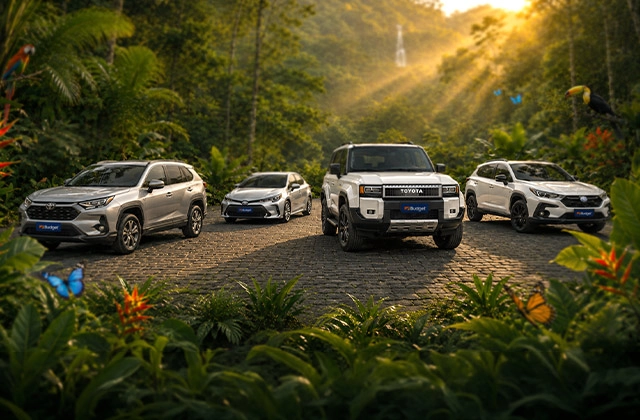
Still, the Monkey Trail is not for every tourist. You shouldn’t drive it in a small car or if you’re nervous about driving on challenging roads. But if you have the right vehicle, it’s manageable—and honestly, it can be a cool part of your Costa Rica adventure. That’s where we can help. At Budget Costa Rica, we know this terrain, and we offer the best 4×4 vehicles for this adventure—strong, well-maintained, and ready for rough terrain. So if you decide to take the Monkey Trail, you can do it with confidence and comfort.
So, should you avoid the Monkey Trail? It’s not necessary to avoid it. It just depends on how prepared you are. Ask locals about current conditions, stick to daylight driving, and most importantly, make sure your vehicle is built for it. With a proper 4×4 rental from Budget Costa Rica, you’ll be ready for whatever the road throws at you. And who knows? The Monkey Trail might just become one of your favorite travel memories.