If you’re looking for a diving adventure that’s unlike any other, the Bat Islands (Islas Murciélago) in Costa Rica should definitely be on your list. Located off the northwestern coast of Guanacaste within Santa Rosa National Park, these remote islands are famous for offering some of the most thrilling dive opportunities in the country. The big draw? It’s one of the few places in the world where you can dive with bull sharks in the wild—no cages, just unforgettable encounters.
But the Bat Islands Costa Rica offer much more than just shark diving. The surrounding waters are teeming with a variety of marine life, from giant manta rays to sea turtles and schools of fish. The underwater landscape is equally stunning, with dramatic rock formations and strong currents that attract large ocean species. Because they are located within a protected marine area, the Bat Islands remain a haven for biodiversity, making each dive a truly remarkable experience.
This isn’t your typical tourist destination—the Bat Islands provide a rugged, off-the-grid adventure that’s perfect for experienced divers, marine life enthusiasts, and anyone eager to explore a less-traveled corner of Costa Rica. If you’re ready for an unforgettable experience, this guide will show you everything you need to know about visiting the Bat Islands for your next dive adventure.
Where Are the Bat Islands? How to Get There
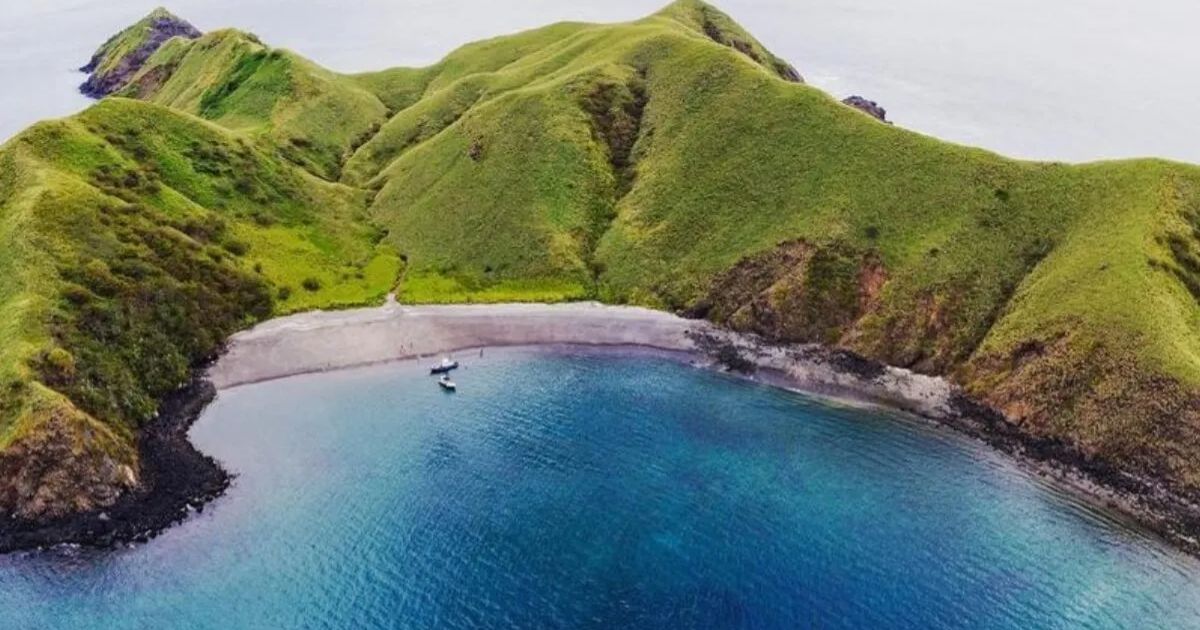
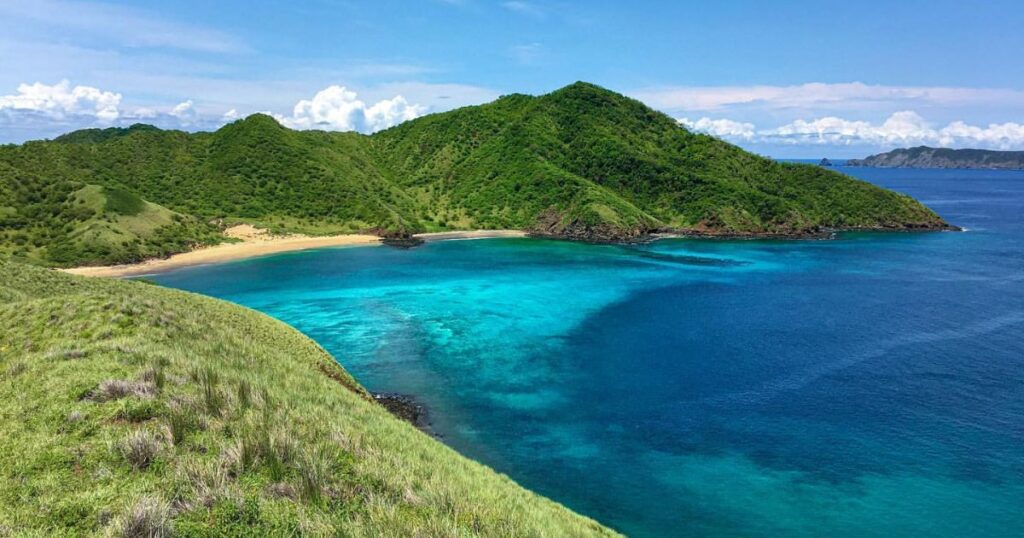
The Bat Islands (Islas Murciélago) are located off the northwestern coast of Costa Rica, within the marine sector of Santa Rosa National Park in the Guanacaste province. These islands are part of a protected area known for its rich biodiversity and are especially popular among divers seeking big marine encounters.
The closest town to the Bat Islands is Playas del Coco, which serves as the main departure point for dive trips to the area. From here, it typically takes about 1 to 1.5 hours by boat to reach the islands, depending on sea conditions. Most tours head out early in the morning to take advantage of calm waters and optimal dive windows.
If you’re flying in, the nearest major airport is Daniel Oduber Quirós International Airport (LIR) in Liberia, located about 60 kilometers (37 miles) from Playas del Coco. Tamarindo, another popular coastal town, is around 112 kilometers (70 miles) away and can also serve as a base, although additional travel is required to reach launch points.
Due to the islands’ protected status and remote location, visiting typically requires booking a guided boat tour, most often organized by dive shops in Playas del Coco. These tours include all necessary permits and follow strict environmental guidelines to preserve the marine ecosystem.

Epic Ocean Adventures at the Bat Islands: Must-Try Experiences During Your Visit
The Bat Islands offer some of the most exciting ocean adventures you can find. Known for their breathtaking underwater scenery, Bat Islands are a must-see destination for any diving enthusiast. It’s not just divers who love it here, but anyone interested in marine life and active water sports. Curious about what you can do there? Here are the must-try ocean adventures:
1. Bull Shark Diving: Face-to-Face with the Ocean’s Apex Predator
Bull shark diving offers a thrilling chance to get up close with one of the ocean’s top predators. These incredible creatures are both fascinating and a bit intimidating, making the experience unforgettable.
Why the Bat Islands are One of the Few Cage-Free Bull Shark Dive Sites
The Bat Islands, located off Costa Rica’s northwestern coast, are pretty special. This location lets divers encounter bull sharks without a cage, which is rare in other places. The waters here have just the right conditions. The combination of warm temperatures, rich marine life, and seasonally good visibility makes this spot an ideal location.
The government also ensures the area’s protection and conservation. This means the ecosystem stays healthy. It’s good for both sharks and divers looking for a unique experience. Plus, local dive operators and guides have become very familiar with bull sharks’ behavior here. So they know what to expect.
Shark Behavior and Seasonal Migration (May to October)
Bull sharks are known for their incredible migratory patterns. From May to October, these amazing creatures visit the Bat Islands. It’s like their yearly trip. During this time, the water is warm, and food is abundant.
Their behavior changes when they migrate, too. They gather in larger numbers, which increases your chances of a closer encounter. Also, it’s mating season. This is when you’ll spot different behaviors like courtship. By knowing these patterns, divers can plan trips for the best possible experience.
Safety Procedures and Why It’s Safe to Dive Without Cages
Safety is always a top priority when diving with bull sharks. While it might seem risky, diving without cages is safe if you use the right procedures. Experienced dive guides lead every trip. They are familiar with sharks and understand how to avoid risky situations.
Divers are briefed carefully before entering the water. Everyone learns what to do and, just as importantly, what not to do. Following these rules helps keep both divers and sharks safe. Plus, sharks generally don’t see humans as prey. By acting calmly and following the guide’s instructions, you help maintain a peaceful interaction.
Ethical Shark Diving: No Baiting, No Touching, Minimal Impact
When it comes to ethical shark diving, the rules are clear. There’s no baiting to attract sharks. This keeps natural behaviors intact. Instead, divers rely on the sharks’ natural curiosity. Baiting can disrupt their usual patterns and is prohibited within this protected area.
Touching the sharks is a big no-no, too. It’s crucial to respect these creatures’ space. Observing without interference is key. This approach minimizes the impact on the sharks’ habitat and lives. It also means future divers can enjoy the same breathtaking views.
By ensuring that the experience is both exhilarating and responsible, everyone wins. The sharks stay safe and so do the divers. Plus, this way of diving helps preserve the ocean’s ecosystem. So, when you dive at the Bat Islands, you get a unique adventure that supports marine life.
2. Dolphin Watching: Playful Encounters Along the Journey
Dolphin watching adds a fun and lighthearted moment to your Bat Islands adventure. These curious creatures often swim alongside the boat, jumping through the waves and racing with the wake. It’s a surprising highlight for many visitors—even before the diving begins.
Why Dolphins Love the Waters Around the Bat Islands
The area around the Bat Islands is full of life. The warm Pacific waters are home to several dolphin species, including bottlenose, spinner, and spotted dolphins. These waters offer plenty of food and space, which keeps the dolphins active and social.
Dolphins are known for being playful, and here, they often approach boats on their own. They’re not shy. Some leap right out of the water, while others swim just below the surface, close enough to spot from the deck.
Since boat tours to the Bat Islands pass through dolphin-rich zones, it’s common to see them without needing a special tour. And because they’re wild, it always feels exciting when they appear.
Best Times to See Dolphins Near the Bat Islands
Dolphins can be seen year-round in this part of Costa Rica. That said, calm sea conditions from May to October make it easier to spot them. They tend to be more active in the mornings too, which is great—because most dive boats leave early.
It’s not guaranteed, but chances are high. Many visitors report dolphin sightings as one of the unexpected highlights of their trip. And since you don’t need to dive to see them, it’s a perfect bonus for anyone on the boat.
Respectful Viewing: No Feeding or Chasing
Dolphin tours near the Bat Islands follow ethical guidelines. Boats don’t chase or corner dolphins. Instead, they slow down when pods appear and let the dolphins approach naturally.
There’s no feeding or luring. That’s important. It keeps dolphin behavior wild and safe for both the animals and the people watching them. Observing them in their natural state is more rewarding anyway.
So if you see dolphins during your trip, enjoy the moment—but do it on their terms.
3. Whale Watching: A Rare Glimpse of Ocean Giants
Humpback whales are one of the most breathtaking sights in Costa Rica’s Pacific waters. And during the right season, you might spot them near the Bat Islands. Seeing a whale surface or breach is the kind of moment that sticks with you for life.
Why Humpback Whales Pass Through Bat Islands Waters
Every year, humpback whales migrate along Costa Rica’s coast. They come from the Southern Hemisphere, moving north to warmer waters to breed and give birth. The Bat Islands sit along part of this route.
This stretch of ocean gives them calm conditions, space, and safety—especially during the dry-to-wet season transition. While they don’t stay long, they often pass close enough to spot from a boat.
You might notice a spout in the distance. Sometimes, if you’re really lucky, you’ll see a full breach. At other times, they show just a tail or a fin. Either way, it’s always exciting.
Whale Season at the Bat Islands (July to October)
The best time for whale watching in the Bat Islands is from July to October. This is when Southern Hemisphere humpbacks migrate through Costa Rican waters. It aligns well with the local diving season as well.
Sightings aren’t guaranteed, but they’re possible. The calmer seas during this time help with spotting. Plus, dive tours and boat captains keep watch for whale activity and will often pause if one is nearby.
Even a short glimpse can be unforgettable.
Ethical Whale Watching: No Disruption, Just Observation
Just like with dolphins and sharks, whale encounters are treated with respect. Boats don’t follow whales too closely or speed up to reach them. The idea is to observe from a distance without causing stress or disturbance.
No touching, no feeding, no getting in the water. These are wild animals, and watching from a distance is the best way to keep the experience safe and natural.
This kind of respectful wildlife encounter is what makes Bat Islands tours feel so special.
4. Seabird Watching: The Overlooked Part of the Adventure
While most people come for what’s in the water, the skies around the Bat Islands are full of life too. Seabird watching may not be the main event, but it often surprises visitors with how much there is to see. All it takes is a glance up.
Why Seabirds Flock to the Bat Islands
The Bat Islands are surrounded by nutrient-rich waters. That means fish, and where there are fish, there are birds. The area attracts a wide variety of seabirds, including frigatebirds, brown boobies, pelicans, and terns.
These birds nest along the rocky coastlines and nearby cliffs. Some are expert gliders, barely flapping as they ride the air currents. Others plunge straight into the water to catch fish. They’re fun to watch—and easy to spot if you keep your eyes open during the boat ride.
This coastal zone is also quieter than heavily trafficked tourist beaches, so the bird activity here feels more natural and undisturbed.
Best Times to Spot Seabirds
Seabirds are around all year, but mornings are usually best. That’s when they’re most active, hunting and flying low over the water. Lucky guests might even spot a frigatebird inflating its bright red throat pouch during mating season.
You don’t need to be a bird expert to enjoy this. Just look up during the ride or while anchored between dives. Most people are surprised by how much birdlife is flying overhead once they start noticing.
Why It Matters: Another Layer of the Ecosystem
Birds are a key part of the marine food web. Watching them hunt or glide in groups helps you appreciate how connected everything is here. The Bat Islands aren’t just about big sea creatures. They’re part of a whole living system—from the surface of the ocean to the sky above.
And since seabird watching doesn’t require any gear or experience, it’s one of the easiest ways to engage with nature while on the trip.
5. Snorkeling Near the Bat Islands: A Chill Option for Non-Divers
Not everyone wants to dive deep. Snorkeling near the Bat Islands gives you a chance to explore the surface-level beauty without needing a certification. It’s relaxed, fun, and still packed with marine life.
Why Snorkelers Love the Waters Around the Bat Islands
Although the deeper dive sites are what made the Bat Islands famous, the surrounding shallow reefs are also full of life. Here, snorkelers can spot colorful fish, sea turtles, rays, and even the occasional small reef shark.
The rock formations below the surface create hiding spots for marine creatures. And since the area is protected, the coral and reef systems are in good condition compared to more trafficked spots.
Plus, being close to Santa Rosa National Park means fewer boats and more natural settings.
Best Conditions for Snorkeling Trips
The best time to snorkel around the Bat Islands is during the dry season and early wet season—May to early October. The ocean is warmer, and conditions tend to be calmer. That makes visibility better and the current easier to handle.
Most snorkeling tours stay in the shallower areas near the islands or along nearby reefs. These spots are ideal for people who want an easier, more laid-back experience while still enjoying the marine ecosystem.
Guided Snorkeling with a Focus on Safety and Sustainability
Guided snorkel tours keep things safe and eco-friendly. Tour operators usually provide all the gear you need. They also teach proper techniques—like not standing on coral and avoiding contact with sea life.
There’s no feeding or touching. Just floating, observing, and enjoying the view.
For families, beginners, or travelers who just want to relax in the water, snorkeling near the Bat Islands is a perfect option.
6. Freediving at the Bat Islands: Go Deep with Just One Breath
Freediving is about as raw as ocean exploration gets. No tanks, no bubbles—just you, your fins, and the deep blue. The Bat Islands offer a perfect challenge for freedivers who want more than just a shallow reef float.
Why Freedivers Are Drawn to the Bat Islands
This spot is all about depth and wildlife. The water around the Bat Islands drops off fast, making it ideal for freedivers with little experience. You can explore dramatic rock walls and underwater cliffs and even spot bull sharks from a distance, all while staying completely silent in the water.
Because freediving makes less noise, some marine life may come closer out of curiosity. That makes for a completely different experience than scuba diving.
There’s also something peaceful about diving without gear. Just you and the ocean.
When to Go and What to Expect
Freediving conditions are best between May and October when the water is warmer and visibility improves. That’s also when large marine animals like sharks and rays are more active.
Depths vary depending on the site, but there are plenty of places around the islands that offer both challenging dives and shallow warm-ups. Always go with a trained guide who is familiar with the area.
Safety and Respect Are Key
Freediving here is for those who already know the basics. It’s not a place to learn from scratch. The currents can be strong, and the depth demands focus. But with the right training and local guidance, it’s an unforgettable way to connect with the ocean.
And just like other activities here—no touching, no feeding, and leaving no trace behind.
7. Underwater Photography: Capture the Wild Side of Costa Rica
The Bat Islands are full of motion, color, and rare wildlife. So it’s no surprise that underwater photographers love this place. Whether you’re using a pro camera or a simple GoPro, there’s plenty to shoot.
What Makes the Bat Islands Great for Photography
This spot gives you more than coral. You’ve got bull sharks, giant rays, schools of jacks, sea turtles, and volcanic rock formations that look amazing in wide shots.
There’s action at every level. One second you’re capturing a shark gliding past, the next you’re watching a cloud of fish change direction in unison. Even the sunlight filtering through the water makes for beautiful shots.
If you’re into macro photography, the surrounding reefs hold tiny treasures too—nudibranchs, crabs, and colorful anemones.
Tips for Getting the Best Shots
Visibility can vary, so timing matters. Again, May to October is your best bet for clearer water and more wildlife. Morning dives usually offer the best light.
Bring a red filter or strobes to help with color at depth. And always secure your gear—currents can be strong.
If you’re new to underwater photography, go with a guide who can point out cool subjects and help with positioning.
Photography with Purpose: Leave Only Bubbles
Photos are a great way to remember the trip, but the ocean isn’t a photo studio. Ethical photography means no chasing, no touching, and no flash in the eyes of wildlife. You’re there to observe, not interfere.
Respect the scene, and you’ll come away with amazing images—and a better connection to the sea.
Wrap-Up: More Than Just a Dive Destination
The Bat Islands aren’t just about bull sharks. They offer a full range of ocean adventures—from dolphin and whale watching to snorkeling, freediving, birdwatching, and capturing it all on camera.
Every trip here brings a new surprise. And the best part? It’s all real. No feeding shows. No artificial interactions. Just you and the ocean, wild and alive.
Whether you’re diving deep or just along for the ride, the Bat Islands give you a rare chance to see Costa Rica’s marine life the way it should be—untouched, protected, and unforgettable.
Timing Your Bat Islands Costa Rica Trip: Best Time to Dive and Visit
The Bat Islands in Costa Rica are a top destination for adventurous divers. However, to get the most out of your trip, timing is crucial. Here’s what to know about the best seasons for diving and visiting.
Best Time to Dive at the Bat Islands
The prime diving season runs from May to November, during Costa Rica’s rainy season. It might sound like a strange time to go, but it’s actually ideal for divers. Rainfall washes nutrients into the ocean, attracting a wide variety of marine life.
This is also when bull sharks are most active—a major draw for those looking for a thrilling, cage-free dive. Water temperatures are warmer, and visibility is generally good during this time. If your goal is to see the Bat Islands’ rich underwater life at its peak, this is the window to aim for.
What to Expect During the Dry Season
From December to April, Costa Rica shifts into its dry season. The weather is sunny, the skies are clear, and the water tends to be calmer. It’s a great time for beachgoers or travelers who want to relax on the coast.
That said, marine activity isn’t as intense during these months. You can still dive but don’t expect the same level of shark or large-species encounters. If you prefer more relaxed conditions and surface activities, this season might be a better fit.
Tips for Planning Around the Weather
Always check local weather and ocean forecasts before booking. Conditions can shift, especially at sea, and rough waters can cancel or delay dive trips. Flexibility in your schedule helps you avoid disappointment.
Ultimately, if you’re chasing the best diving in Costa Rica, plan your Bat Islands trip between May and November. That’s when marine life is most active, and conditions are best for spotting bull sharks and other large species.
But if your focus is on sun, beaches, and easier water conditions, the dry season still offers great travel weather—and some light diving, too.
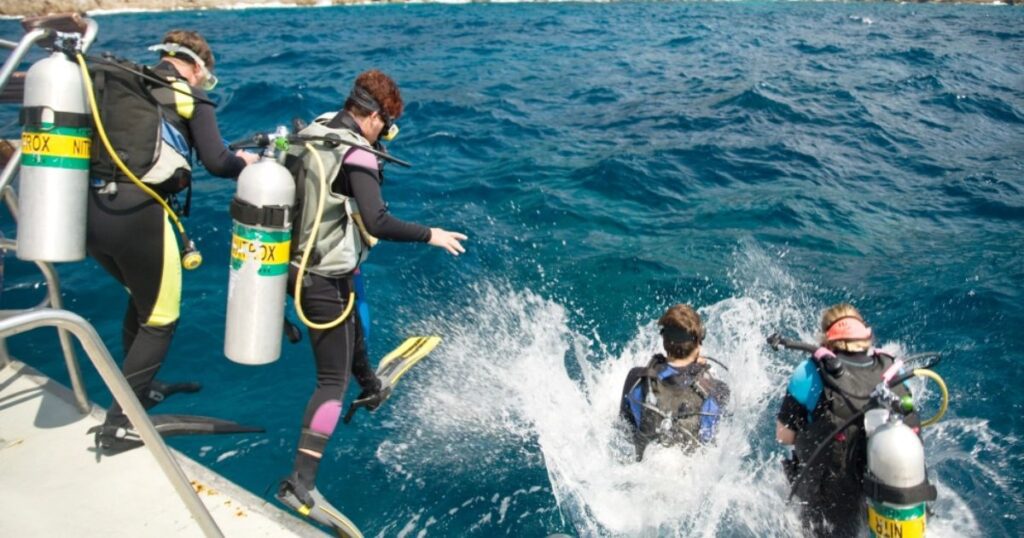
Essential Tips to Remember for Visiting Bat Islands
Planning a trip to the Bat Islands? This beautiful destination is a must-see for anyone who loves scuba diving and marine life adventures. Known for its stunning underwater landscapes and vibrant sea life including bull sharks, manta rays, and turtles, there’s no doubt you’ll have a memorable experience.
To help you make the most of your visit, here are some essential tips to remember:
Check the Weather and Sea Conditions Before You Go
Always check the weather and ocean conditions before your trip. The Bat Islands can have unpredictable currents and weather patterns, and knowing what to expect will help you pack appropriately. Bring a light rain jacket, just in case. Planning for the conditions will make your visit more enjoyable.
Book a Guided Marine Tour
Consider booking a marine or boat tour to explore the islands. A guided tour provides valuable insights into the area’s marine environment that you may not discover on your own. It’s a great way to learn and gain more experience. Plus, you’ll have someone to ask questions if you’re curious about anything.
Pack Essential Gear
Make sure you pack the essential gear. Bring sunscreen, a hat, and plenty of water. If you’re joining a boat tour, motion sickness remedies can be useful. Comfortable shoes are still a good idea for getting to and from the dock or marina.
Respect Marine Wildlife
Respect the local marine wildlife by keeping a safe distance. Avoid feeding or touching the animals, as it can disrupt their natural behavior. It’s important to remember the surrounding waters are home to these creatures. Help preserve their environment by being a responsible visitor.
Adhere to Safety Guidelines
Follow all safety guidelines during your visit. Pay attention to signage and be aware of any restrictions in place. Whether it’s swimming, snorkeling, or diving, taking precautions ensures a safe trip. Don’t overlook safety—it’s crucial for a positive experience.
Bring a Camera Suitable for the Environment
Don’t forget your camera or smartphone to capture this unique adventure. The Bat Islands offer stunning natural scenery and marine life photo opportunities. Make sure your gear is charged and ready. Consider protective cases or waterproof options if you’re heading out on the water.
Stay Hydrated
Hydration is key, especially if you’re planning to be active on or in the water. Carry a reusable water bottle and refill it often. This simple tip helps avoid fatigue and keeps you feeling great. You’ll be glad you stayed on top of it.
Plan Your Accommodations and Activities in Advance
Accommodations can fill up quickly, especially during peak seasons. Therefore, it’s wise to book your place to stay well in advance. Marine tours may also have limited spots, so early planning is helpful.
Mind Your Time
Time can fly by when you’re having fun. Make a loose itinerary to help structure your day. Prioritize activities or sites you don’t want to miss. Sticking to a rough schedule means you won’t miss out on anything special.
These tips aim to ensure a smooth and enjoyable visit to the Bat Islands. By taking just a little time to prepare, you’re setting yourself up for a truly enriching experience.
Exploring More Adventures in Costa Rica After Bat Islands
After diving with bull sharks at the Bat Islands, you might be wondering where to go next to soak up even more of what Costa Rica has to offer. This country is brimming with adventure, natural beauty, and vibrant culture. From rainforests to volcanoes, there’s a lot more to explore. So, if you’re ready to continue the adventure after Bat Islands, let’s dive into some must-visit spots in Costa Rica.
Arenal Volcano National Park
Arenal Volcano National Park is a must-see. It’s one of Costa Rica’s most iconic spots. You’ll find it near La Fortuna, and it offers hiking trails that bring you close to old lava fields and scenic viewpoints. You can also explore the lush rainforest that surrounds this dormant but potentially active volcano. Don’t forget about the hot springs. They are perfect for relaxing after a day of adventure.
Monteverde Cloud Forest Reserve
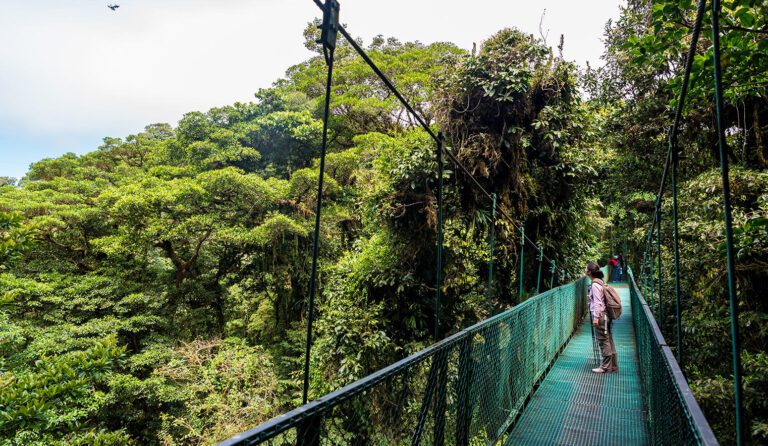
Next, head to Monteverde Cloud Forest Reserve. It’s a truly unique place. The misty atmosphere of the cloud forest is like stepping into another world. There are plenty of options for zip-lining or walking along hanging bridges. You might spot exotic birds or even the elusive quetzal. It’s a paradise for nature lovers and adventurers alike. Just be sure to check weather and trail conditions, as the area can be very wet and slippery.
Manuel Antonio National Park
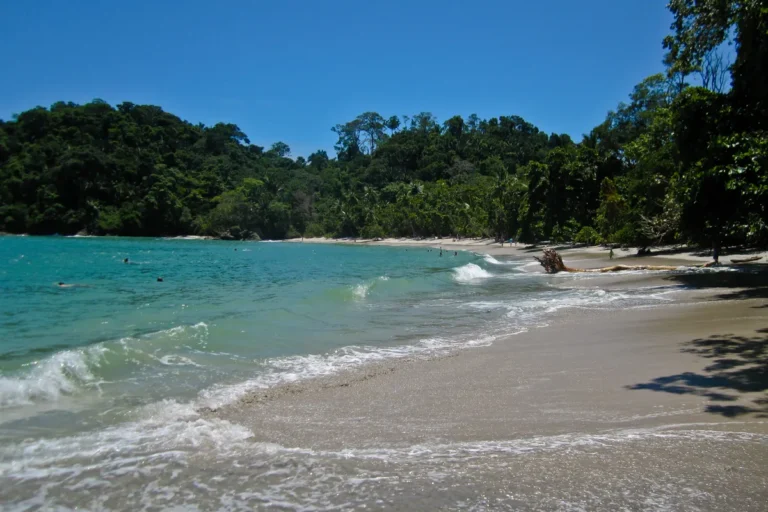
Manuel Antonio National Park is another jewel of Costa Rica. It’s known for its pristine beaches and abundant wildlife. You’ll find easy trails that take you through lush forests and to the beautiful coastline. Keep an eye out for monkeys and sloths along the way. The beaches are some of the most beautiful in the country. It’s the perfect blend of relaxation and adventure. Remember, the park can get very crowded, especially during high season, so arriving early is recommended.
Tamarindo Beach
For some sun and surf, head to Tamarindo Beach. It’s a lively spot that’s perfect for surfing and watersports. You’ll find plenty of surf schools ready to get you started if you’re a beginner. The beach is wide and clean, and it offers a great place to relax and soak up the sun after some water activities. In the evening, the town has plenty of restaurants and bars. It offers a chance to experience the local nightlife.
Corcovado National Park
Lastly, consider visiting Corcovado National Park. It’s located on the remote Osa Peninsula. The park is teeming with wildlife, including tapirs, jaguars, and various species of monkeys. Guided tours are a great way to explore, as they offer expert insight into the flora and fauna. The park’s trails lead through dense rainforest to stunning beaches and hidden waterfalls. It’s a true adventure for those who love being immersed in nature and for those who love an off-the-beaten-path experience. Ending your Costa Rica adventure here ensures a memorable journey.
These spots give you a taste of the diverse landscapes and experiences Costa Rica has to offer.
Frequently Asked Questions
Whether you’re planning a dive trip to see the famous bull sharks or simply exploring the area’s unique ecosystems, this FAQ section will help you prepare for an unforgettable visit to the Bat Islands. Explore below to learn more:
Why are the Bat Islands Costa Rica famous?
The Bat Islands, located in Costa Rica, are renowned for their incredible marine life and exhilarating diving experiences. They are part of the Santa Rosa National Park and are particularly famous for encounters with bull sharks, manta rays, and a wide variety of tropical fish. These islands offer some of the best diving spots in Costa Rica, attracting divers from all over the world.
Are there bats on the Bat Islands?
Despite their name, the Bat Islands are not known for having a large population of bats. The name likely comes from the shape of the islands or a historical anecdote, but the primary attraction here is the maritime environment. Visitors are more likely to encounter diverse marine species than to see bats.
Do you need a permit to visit the Bat Islands?
Yes, since the Bat Islands are part of the Santa Rosa National Park, visitors need a permit to enter this protected area. It’s essential to check with local tour operators or authorities in advance to ensure you have the necessary documentation. These permits help regulate and preserve the natural environment of the islands.
Do you need a boat to reach the islands?
Yes, traveling to the Bat Islands requires a boat. The islands are located off the northwestern coast of Costa Rica, and access is usually arranged through guided tours or diving excursions. Boats typically depart from coastal towns such as Playa del Coco or nearby beaches.
How long is the boat ride to the Bat Islands?
The boat ride to the Bat Islands from the mainland usually takes between 60 and 90 minutes, depending on sea conditions and the departure point. The journey offers a scenic experience and a chance to spot wildlife, such as dolphins and seabirds, along the way.
Can beginner divers go to the Bat Islands?
The Bat Islands are generally recommended for more experienced divers due to their strong currents and potentially challenging conditions. Beginners may find the area difficult, so it is advisable to have advanced open water certification and diving experience before attempting dives here. Those new to diving might consider less challenging sites for their first underwater experiences.
Can I stay overnight in the Bat Islands?
No, staying overnight on the Bat Islands is not permitted, as they are part of a protected national park. There are no accommodations available on the islands, so visitors typically stay in nearby coastal towns. Day trips are the common way to explore the islands and enjoy their natural beauty.
Before You Go: One Last Tip for Your Bat Islands Trip
Experiencing the Bat Islands in Costa Rica is nothing short of a thrilling encounter with nature’s wonders. The chance to dive among bull sharks, watch graceful sea turtles glide by, and see vibrant schools of fish is an adventure that captivates anyone who loves the ocean. Each dive immerses you in a world that’s alive and teeming with life, leaving you with memories of an underwater realm that is hard to find anywhere else. It’s an experience that enriches your soul and leaves you yearning for more long after your feet are back on solid ground.
Beyond the sea, the vicinity of Santa Rosa National Park and Playas del Coco offers a treasure trove of activities. From lounging on serene beaches and dining on fresh seafood to wandering through lush local parks, every moment on land is as rewarding as those spent underwater. The landscapes are diverse, and the local culture is welcoming, ensuring that every aspect of your journey is as fulfilling as the deep-sea adventures. If you’re staying in Playas del Coco, be aware that the area is more touristy and developed than some other parts of Costa Rica, but still offers a rich local experience. Taking the time to explore these areas not only extends the thrill of your journey but adds layers of richness and relaxation to your travel experience.
To truly take advantage of everything the Bat Islands and surrounding areas have to offer, consider renting a car from Budget Costa Rica. Having your own vehicle makes it easy and affordable to explore at your own pace, granting you the freedom to uncover hidden gems without waiting on tours or shuttles. Plus, with your own transportation, every scenic drive becomes part of the adventure. So why wait? Book your rental car today with Budget Costa Rica and let the journey to unforgettable experiences begin.