
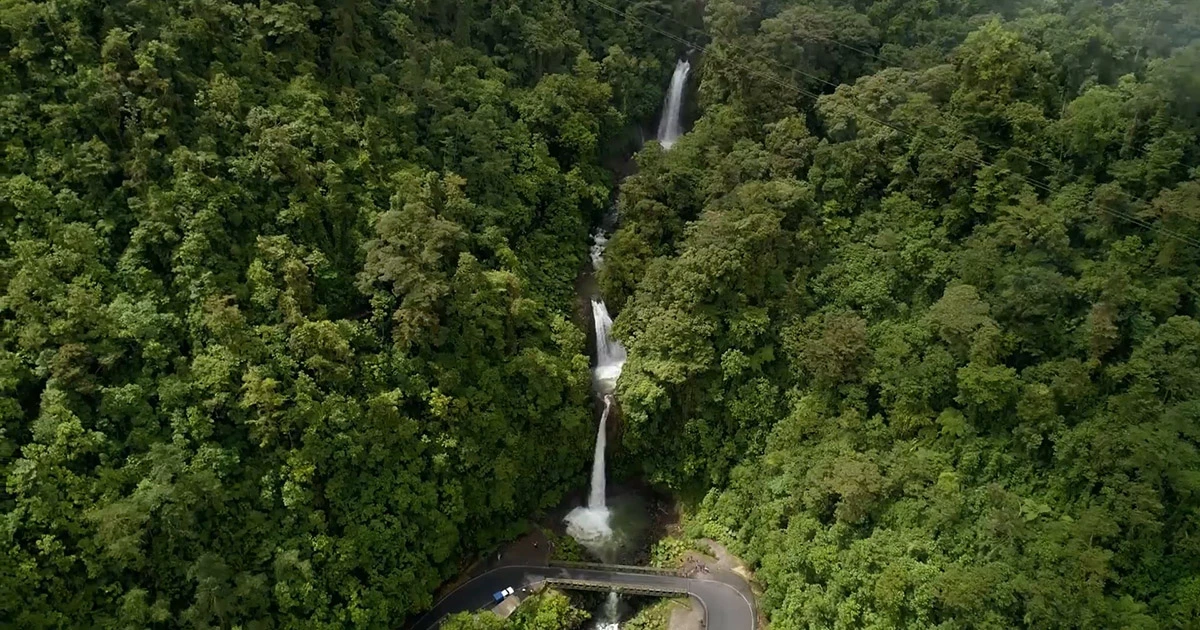
This Costa Rica Road Trip Guide is designed for travelers who want to experience the country with room for spontaneity. One morning begins with the aroma of coffee in the Central Valley and, just hours later, the atmosphere shifts completely, salty Pacific air, cool mountain breezes, or the steady warmth of a coastal town. With so many microclimates and landscapes packed into a relatively compact country, traveling by road allows you to adjust your pace based on what the journey itself reveals.
A well-planned road trip also removes many of the usual travel frictions. You are not tied to rigid schedules or limited routes, and you can choose to stay an extra night when a place draws you in. With a car, the trip stops being just about “getting there” and becomes a series of meaningful stops, an unexpected viewpoint, a roadside soda serving a perfect casado, a quiet beach, or a short detour to a waterfall.
This guide brings together everything you need to explore Costa Rica by car: why a road trip is worth it, recommended routes based on trip length, destinations best enjoyed with your own vehicle, how to choose the right car for each region and season, and practical tips to rent without surprises.
Why Take a Road Trip in Costa Rica
Costa Rica has a clear advantage: diversity within manageable distances. In a single trip, you can combine volcanoes, beaches, cloud forests, and towns with strong local character, without spending entire days in transit.
Traveling by road enhances the experience in three key ways:
- Real flexibility: you choose your schedule, your stops, and your route. If the weather changes in one area, you adjust without losing the day.
- Access to less crowded places: many beaches, viewpoints, coffee farms, and roadside restaurants are not reachable by public transportation.
- Better use of time: having a car avoids waiting times and connections that quickly add up.
For travelers eager to make the most of their visit, planning rent a car Costa Rica as part of the itinerary opens up a much wider map. When the goal is to see the country at a relaxed pace, the car becomes an ally, not just a means of transportation.
What Driving in Costa Rica Is Like
Driving in Costa Rica is an active part of the journey, not just a way to move from point A to point B. The environment, topography, and local rhythm directly shape the road experience. Understanding these elements from the start helps you plan more realistic routes, avoid frustration, and enjoy the drive with greater ease.
Think in Hours, Not Kilometers
In Costa Rica, the landscape sets the pace. Mountains, curves, narrow bridges, urban traffic, and gravel roads can significantly affect travel time. To plan without stress, think in terms of “time on the road” rather than distance.
Approximate driving times (for reference):
- Central Valley to nearby destinations: 1–2.5 hours (depending on traffic).
- Central Valley to the Central Pacific: 1.5–3 hours.
- Central Valley to Guanacaste: 3.5–5.5 hours, depending on destination and time of day.
- Between tourist destinations (Arenal → Monteverde): 3–4.5 hours, depending on route and weather.
Roads and Conditions
Main highways are generally paved, well-signposted, and serviced by frequent gas stations. However, many accesses to beaches or rural lodgings may include:
- Gravel roads
- Steep inclines
- Potholes
- Narrow sections
During the rainy season, some roads become more technical due to mud or wear, making vehicle choice especially important.
Practical Driving Tips
- Schedule longer drives in the morning when visibility is best.
- Avoid arriving late to destinations with rural access roads.
- Use navigation apps with local data and review routes before departure.
- Carry cash for tolls and small parking areas.
- Keep the fuel tank above half when heading into rural regions.
A well-chosen Costa Rica car rental, beyond price alone, reduces fatigue and makes the journey more enjoyable.
Preparation Tips for a Smooth Costa Rica Road Trip
Before diving into routes, schedules, and logistics, it helps to recognize that preparation is what separates a smooth road trip from one that feels heavy. This isn’t about planning every minute, but about anticipating the factors that matter most on the road, daylight, weather, daily rhythm, and a few logistical details that make driving feel like part of the experience rather than a chore.
Schedules, Daylight & Rain
Timing has a major impact on travel mood. In Costa Rica, sunsets come earlier than in many countries, and secondary roads are not designed for relaxed night driving. The simple solution is to plan longer drives in the morning and keep afternoons for activities near your accommodation.
During the rainy season (roughly May to November), rainfall often concentrates in the afternoons, though patterns vary by region. This does not make a road trip a bad idea—it simply means driving earlier, avoiding overly ambitious routes, and prioritizing a vehicle with good ground clearance if rural access is involved.
Tolls, Fuel & Smart Stops
Major routes in the Central Valley include toll roads. Carrying small bills makes passing through faster, especially during peak traffic hours.
Fuel stations are common along main highways but less frequent in coastal or rural stretches. A useful habit: whenever the tank drops below half and you are heading into a less urban area, refuel. This avoids last-minute searches.
Smart stops that improve the drive:
- A short viewpoint stop before the final mountain stretch
- A coffee break before a winding road
- An early lunch to avoid driving while tired
Connectivity & Navigation
Navigation changes between highways and secondary roads. To reduce detours:
- Review the route before leaving your accommodation
- Confirm whether the final access is paved or gravel
- Avoid relying solely on “shortest route” options that include complex rural roads
What to Pack for the Road
There’s no need to overpack, but a few basics make a big difference:
- Lightweight rain jacket or poncho
- Reusable water bottle and simple snacks
- Sunscreen and insect repellent
- Small towel for beaches or waterfalls
- Dry bag or zip-lock bags for electronics
Practical Safety, Without Overthinking It
Costa Rica is a tourist-friendly country, and basic common sense goes a long way:
- Don’t leave valuables visible inside the car
- Use designated parking areas when possible
- Store passports and documents securely
- Plan arrivals with daylight when access roads are rural
These habits keep the trip relaxed without feeling constantly on alert.
Best Routes by Trip Length
The following routes are designed as logical circuits so driving feels natural and the trip doesn’t turn into a race. Adjust the order based on your arrival airport (San José or Liberia), weather, interests, and accommodation availability.
7-Day Route: Volcanoes, Cloud Forest & One Beach
Best for: first-time visitors, limited time, balanced experience.
Route: Central Valley → Arenal → Monteverde → Central Pacific → return.
Day 1: Arrival and drive to Arenal
Landing at SJO and heading directly to La Fortuna minimizes urban driving. If arrival is late, staying near the airport and leaving early the next day works well.
Days 2–3: Arenal / La Fortuna
Arenal is an easy base to settle into Costa Rica. Prioritize relaxed experiences:
- An afternoon at hot springs
- A morning walk with volcano views
- A waterfall or river swim
Days 4–5: Monteverde
The drive includes mountain sections; an SUV with decent clearance adds comfort, especially in rain. Monteverde is ideal for:
- Cloud forest walks with viewpoints
- Cafés and bakeries in cool weather
- Coffee and cacao farm tours
Days 6–7: Central Pacific
To finish with the ocean without straying too far from the Central Valley, the Central Pacific works well. Choose a base that allows an efficient return to SJO.
Rental tip: This route fits well with a one-week car rental in Costa Rica.
10-Day Route: Arenal + Monteverde + Guanacaste
Best for: travelers seeking more beach time and variety.
Route: Central Valley → Arenal → Monteverde → Northern Pacific (Guanacaste) → return.
Days 1–3: Arenal
Spread activities between mornings and afternoons, one major activity per day keeps the trip light.
Days 4–5: Monteverde
Plan realistic driving times and aim to arrive with daylight, especially during the rainy season.
Days 6–9: Guanacaste (Flamingo as a base)
Guanacaste offers a different rhythm: drier weather in the dry season, strong sunsets, and well-developed beach infrastructure. From Flamingo, it’s easy to drive to nearby beaches, restaurants, and attractions without relying on shuttles.
At this stage, having your own car simplifies beach hopping and dinner logistics. If independence matters, renting a car in Flamingo fits naturally into the plan.
Day 10: Return
Flying from LIR shortens the drive. If you return to SJO, leave early and avoid peak traffic entering the Central Valley.
14-Day Route: Extended Circuit with the Nicoya Peninsula
Best for: travelers seeking diversity and less crowded beaches.
Route: Central Valley → Arenal → Monteverde → Guanacaste → Nicoya Peninsula (Malpais / Santa Teresa) → return.
Days 1–3: Arenal
Hot springs, nature, and a lighter activity day to balance driving.
Days 4–5: Monteverde
Include a longer hike and a local dining experience.
Days 6–8: Guanacaste (Flamingo area)
Alternate beach time, rest, and short tours. If exploring multiple beaches, having a car makes the route flexible.
Days 9–12: Nicoya Peninsula (Malpais / Santa Teresa)
This area rewards time. Roads change, gravel and uneven stretches are common, especially in rain. The payoff is a relaxed atmosphere, long sunsets, and a distinct coastal vibe.
To move freely between beaches and towns, integrating a rental car in Malpais Beach helps organize logistics and daily routes.
Days 13–14: Return
If flying from SJO, plan a transition night to avoid excessive driving on the final day.
Key Destinations Easily Reached by Car
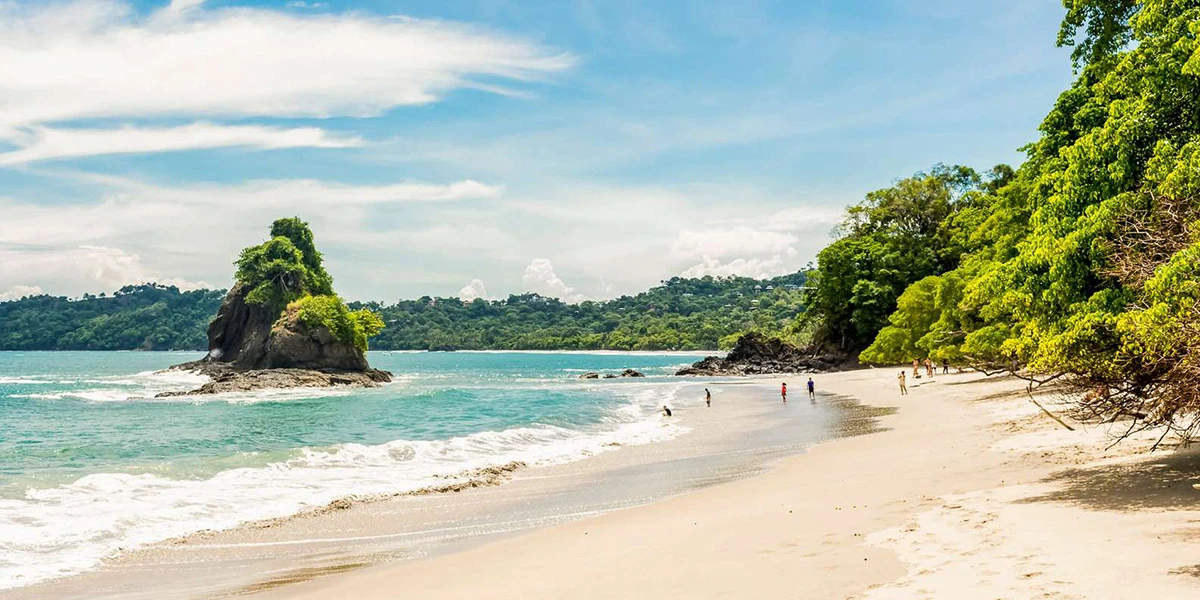
Having your own vehicle makes it easier to move between different spots without relying on fixed schedules, opening the door to a more relaxed and personalized travel experience.
Beaches That Work Well for Road Trips
Coastal regions are especially rewarding when traveling by car. Many beaches are connected by road, allowing flexible combinations of relaxation, dining, and outdoor activities. Having a vehicle makes it easy to move between spots without fixed schedules.
Within the coastal map, some regions stand out for their accessibility and road-trip friendliness.
Northern Pacific (Guanacaste)
- Flamingo: a practical base with good services and connections
- Conchal: light-colored sand and access worth checking ahead
- Potrero: quieter atmosphere, ideal for slow afternoons
In this region, a car keeps you from being tied to one location. For road-based itineraries, adding a segment with rent a car in Flamingo makes the journey feel natural and efficient.
Nicoya Peninsula
- Santa Teresa: beach life, dining, and international vibe
- Malpais: calmer, great for walks and sunsets
Here, the car truly makes the difference due to access conditions. Consider ground clearance and daylight driving.
Volcanoes, Nature & Inland Stops
Arenal / La Fortuna
Well-connected and activity-rich, it’s one of the easiest regions to include early in a road trip.
Poás & Irazú
Ideal for half-day or full-day outings before heading to the coast. With a car, you can combine viewpoints, towns, and local food stops.
Towns to Slow Down
- Sarchí: crafts, tradition, and an easy stop
- Grecia: cafés, parks, and a relaxed pace
Secondary roads here reveal everyday Costa Rica, often missed in fast itineraries.
Choosing the Right Vehicle by Region and Season
Choosing the right vehicle is a matter of comfort and safety. It’s not about going for the biggest option, but for the one that best fits your route.
Sedan or Compact
Works if:
- Routes are mostly paved
- Destinations have good access
- Travel is during the dry season
Advantages:
- Better fuel efficiency
- Easy city driving
- Lower cost
This option can support a cheap rental cars plan if routes avoid long gravel sections or steep access roads.
Compact SUV
A strong middle ground:
- Better ground clearance
- Mountain stability
- Extra luggage space
Well suited for Arenal–Monteverde–coast itineraries.
4×4
Recommended if:
- Visiting Nicoya during the rainy season
- Traveling frequently on rural roads
- Lodging is off main routes
In wet conditions, 4×4 adds peace of mind and flexibility.
Tips to Rent a Car in Costa Rica Without Surprises
Renting a car can feel simple until you’re at the counter, tired from travel, with an itinerary ahead. The goal is clarity, knowing what to ask, what to check, and how to compare options without getting lost in fine print.
1) Coverage: What to Review
What really matters is understanding what your rate includes and what is added as an extra. Instead of memorizing acronyms, focus on three key points:
- Mandatory coverage clearly included
- Vehicle protection and deductibles
- Exclusions (unauthorized roads, river crossings, off-road use)
When comparing best car rental Costa Rica options, use the final total with conditions, not just the base rate.
2) Airport vs. City Office
Airport (SJO or LIR)
- Ideal for immediate road trips
- Minimizes transfers
- Convenient for early arrivals heading out the same day
City office (San José)
- Useful if spending days in the city first
- Helps avoid heavy traffic upon arrival
For San José pickups or returns, rental cars Paseo Colón often fit well.
3) Requirements
Have ready:
- Passport
- Valid driver’s license
- Credit card in the driver’s name
- Check deposit amounts, fuel policy, additional drivers, and hours.
4) Questions Worth Asking
A few straightforward questions usually clarify what really matters:
- What exactly does the rate include?
- What is the deductible and when does it apply?
- Are there drop-off fees?
- Is gravel road access allowed?
Especially when looking for cheap rental cars, real savings are what remain at the end—not what appears on the first screen.
5) Vehicle Check: Five Minutes That Matter
Before leaving:
- Take photos and a full walk-around video of the vehicle, both inside and out.
- Check tires, including spare
- Confirm tools and jack
- Verify fuel level
- Test lights and wipers
If you’re driving in mountain areas or coastal regions during rainy conditions, well-maintained windshield wipers make a significant difference.
6) Route Planning: Fewer Moves, Better Trips
Fewer accommodation changes usually mean better travel days. One long drive every 2–3 days keeps the trip light and enjoyable, an approach that improves any renting a car experience.
Airports & Strategic Offices to Start Your Route
Costa Rica has two main gateways for road trips:
- Juan Santamaría International Airport (SJO) in Alajuela, serving the Central Valley.
- Daniel Oduber Quirós International Airport (LIR) in Guanacaste, ideal for Northern Pacific routes.
Choose your arrival airport based on your itinerary. Guanacaste-focused trips often work best from LIR, while routes including Arenal, Monteverde, or the Central Valley fit better from SJO.
Start Your Road Trip With the Right Car From Day One
At Budget Rent a Car Costa Rica, we make exploring the country by road straightforward from the very beginning. With strategically located pickup points, vehicles suited to each route and season, and clear rental conditions, you can focus on the journey—not the logistics. If your dates are set, reserve ahead and plan your road trip with the confidence of working with a local team that understands the roads, real driving times, and what it takes to move through Costa Rica without surprises.