Tamarindo is much more than a beach where you can spend the day. Its combination of restaurants, shops, surf schools, tourism services, accommodations, and outdoor activities makes it a strategic base for exploring one of Guanacaste’s most attractive coastal regions.
From this community, travelers can organize a flexible route to beaches with very different atmospheres. To the south are destinations such as Playa Langosta and Playa Avellanas, known for their scenery, walkable coastal areas, and connection to surf culture. To the north, the route leads to Playa Grande, Brasilito, Conchal, Flamingo, Potrero, and Las Catalinas.
This variety makes it possible to design a vacation that combines relaxation, gastronomy, coastal drives, water activities, and contact with nature. Instead of remaining in the same location every day, travelers can use Tamarindo as their base and adapt each outing to their interests.
Guanacaste has an extensive Pacific coastline that includes well-established tourist destinations such as Tamarindo, Conchal, and Flamingo, as well as protected areas and landscapes characteristic of the tropical dry forest. For this reason, having a rental vehicle can transform the experience by allowing travelers to leave at different times, stop in communities along the way, and return to their accommodations without depending on fixed schedules.
The following four-day itinerary is designed for travelers who want to explore Tamarindo at a relaxed pace while also discovering several nearby destinations. The goal is not to simply check beaches off a list, but to spend enough time in each place and enjoy the drive as part of the journey.
Tamarindo: A Convenient Base for Exploring the Coast
Tamarindo has extensive tourism infrastructure and a practical location for organizing trips in different directions. Visitors can find accommodations, supermarkets, restaurants, coffee shops, tour operators, beach stores, surf schools, and other services without traveling far from the town center.
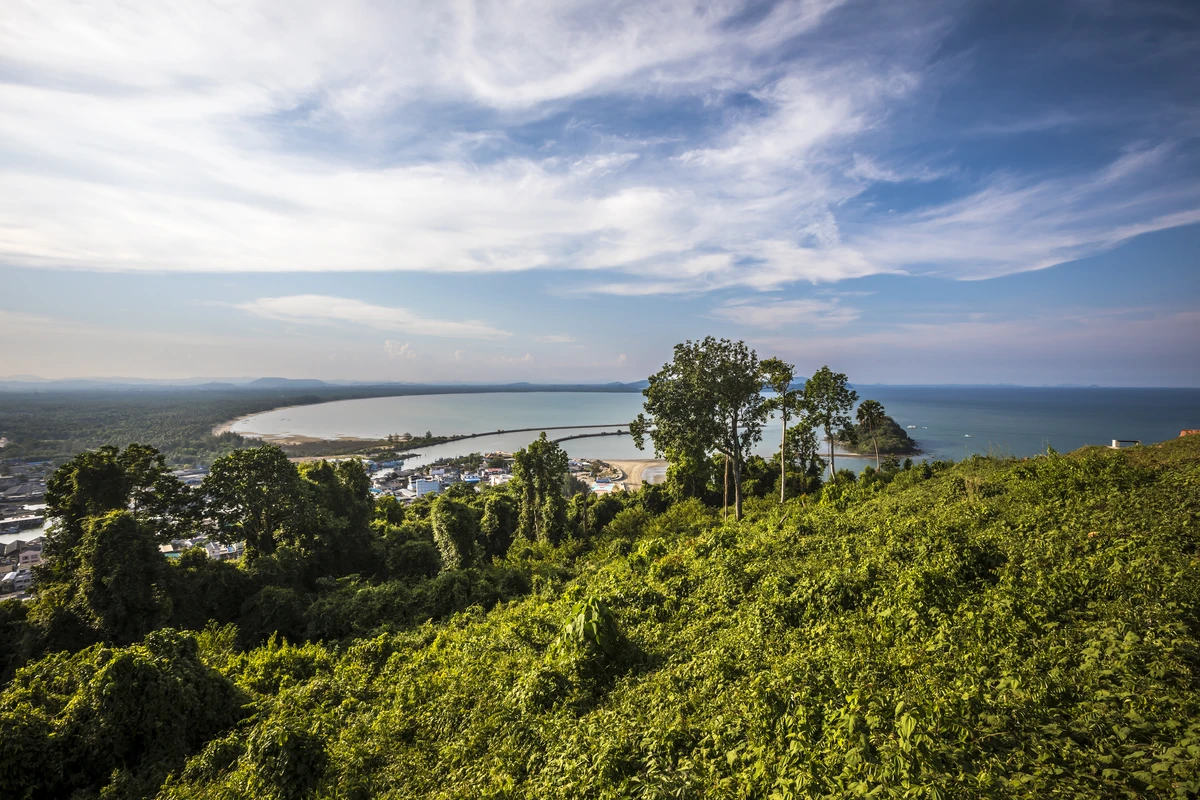
Its bay is connected to Playa Grande, Playa Ventanas, the Matapalo River, and the Tamarindo estuary, a mangrove area with vegetation characteristic of this coastal environment. This combination of beach, estuary, and community gives the destination alternatives for different types of travelers.
Those who prefer quiet days can walk along the beach, find a restaurant overlooking the ocean, or book a sunset excursion. More active travelers can take a surf lesson, go sailing, visit the estuary, or use Tamarindo as a starting point for exploring other areas of Guanacaste.
Having a car is particularly convenient when the itinerary includes several beaches. Distances may appear short on a map, but travel times vary depending on road conditions, the time of year, traffic, and access to each community. Traveling with flexibility makes it possible to adjust the route without sacrificing an entire afternoon due to a scheduled transfer. For families and groups, having their own space during the journey also makes logistics easier.
Before Starting Your Route Through Tamarindo and Its Surroundings
A coastal road trip is more enjoyable when it is planned with realistic expectations. It is not necessary to schedule every minute, but it is advisable to determine which destinations are priorities, which activities require reservations, and how much time you would like to spend at each beach.
During the rainy season, the condition of some secondary roads may change, while the number of visitors usually increases during the drier months. Before leaving, it is recommended to check road conditions, review the weather forecast, refuel the vehicle, and confirm the schedules of any reserved activities.
The type of vehicle should match the itinerary and not only the number of passengers. A compact car may be suitable for routes that remain on main roads, while a vehicle with greater ground clearance may provide additional comfort when traveling on secondary roads or during the rainy season. Maintaining a flexible itinerary prevents the vacation from becoming a race against the clock.
Day 1: Arrival, Beach Time, and Local Life in Tamarindo
The first day should provide an opportunity to become familiar with the area and recover after the journey. Although it may be tempting to immediately begin an extensive route, spending a few hours in Tamarindo helps travelers better understand the community that will serve as their base.
1. An Initial Walk Through the Town Center
After settling into your accommodation, a good way to begin is by walking through the central area. Tamarindo has an active atmosphere, especially in the areas closest to the coast. Throughout the day, visitors can see surfers, families, travelers heading to different tours, and residents carrying out their daily activities.
To find restaurants, activities, tour operators, services, and local businesses, Tamarindo Guide serves as a useful local directory that can complement your planning. Its platform brings together categories related to dining, experiences, shopping, and services available in the community. Consulting a local guide may also help travelers discover alternatives that do not always appear in traditional itineraries.
2. Time to Enjoy Playa Tamarindo
During the afternoon, Playa Tamarindo offers plenty of space to walk, observe the activity around the bay, or simply relax by the ocean. Those who want to try surfing can contact a recognized surf school or instructor. An introductory lesson allows beginners to learn basic concepts in a supervised environment, while experienced surfers can ask about the day’s conditions before entering the water.
Travelers who prefer to remain on land can walk along the beach, take photographs, or look for a quiet place to enjoy the scenery. The broad coastline makes it possible to choose between more active areas and sections that may feel less crowded.
3. An Afternoon at the Estuary
Another option is to take a guided tour of the Tamarindo estuary. This area forms part of the environment associated with Las Baulas National Marine Park, located in Tamarindo Bay, in the canton of Santa Cruz. The protected area includes both terrestrial and marine sections and covers approximately 175 square kilometers in total.
Tours through natural environments should be conducted with responsible operators and in accordance with the regulations established for the site. Maintaining a safe distance from wildlife, avoiding littering, and following the guides’ instructions contribute to protecting the ecosystem.
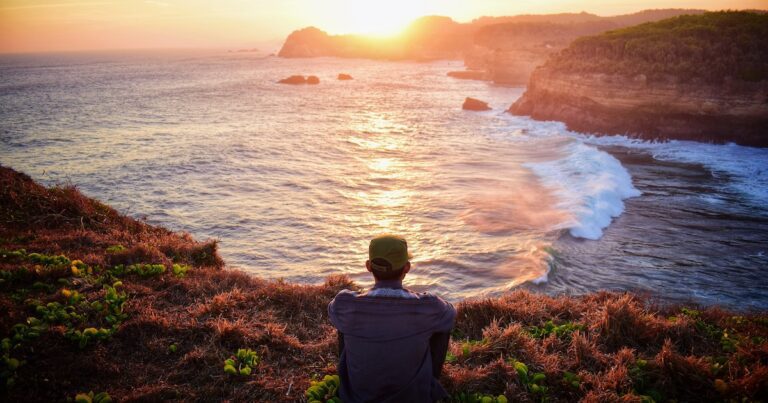
4. The First Sunset of the Trip
After sunset, Tamarindo offers a variety of dining options. It is advisable to choose according to the desired atmosphere, budget, and needs of the group. Families may prefer informal and accessible restaurants, while couples or groups of friends may look for a longer dining experience. Ending the evening early makes it easier to prepare the vehicle, review the next day’s route, and organize the items that will be taken to the beach.
Day 2: Playa Langosta, Playa Grande, and Playa Avellanas
The second day presents three possible directions from Tamarindo. Although the beaches are relatively close to the base, attempting to visit all of them in a hurry would reduce the time available to enjoy each destination. The best strategy is to choose two as the main stops and consider the third an optional visit. Another possibility is to spend the morning at one beach and the afternoon at another.
1. First Stop: Playa Langosta
Playa Langosta is located south of Tamarindo and offers a quick transition from the active atmosphere of the town center to a quieter coastal area. Its proximity makes it a convenient first stop for travelers who want to begin their route without spending too much time driving.
The landscape combines sand, rock formations, and areas suitable for walking. Depending on the tide, small spaces may appear between the rocks, attracting visitors who enjoy photography and observing the natural surroundings.
2. The Route to Playa Grande
Playa Grande is located across Tamarindo Bay and forms part of the environment of Las Baulas National Marine Park. Road access is available through the network connecting Tamarindo with Huacas, Matapalo, and Playa Grande. SINAC identifies this as one of the main routes for reaching the park.
This destination is appealing to travelers looking for a long beach and an atmosphere different from central Tamarindo. It also has an important connection to conservation, making it essential to respect all regulations, authorized access points, and current restrictions.
Visitors should not interfere with wildlife or enter restricted areas, particularly when regulations are in place to protect the area.Because regulations and operating hours may change, travelers are advised to consult SINAC directly before planning specific activities within the park. This avoids relying on outdated information and supports a responsible visit.
3. Playa Avellanas for a Relaxed Afternoon
Playa Avellanas is located south of Tamarindo and is widely associated with surfing. However, its appeal is not limited to the waves. Its combination of vegetation, sand, and coastal atmosphere also makes it suitable for walking, relaxing, and enjoying the scenery.
Before leaving, it is advisable to check access conditions, especially during the rainy season. A vehicle suitable for the route may provide greater peace of mind, but it does not replace cautious driving.
Avellanas can take up several hours of the itinerary, so it is worth setting aside enough time to walk, have lunch, and enjoy the surroundings.
4. How Can You Organize the Second Day Without Rushing?
A balanced itinerary could begin early at Playa Grande, continue with lunch in the surrounding area, and end with a brief visit to Playa Langosta. Another option is to spend the morning at Avellanas and return to Tamarindo before sunset.
Visiting Playa Grande and Avellanas on the same day is possible, but it requires traveling in different directions. For many travelers, the experience will be more enjoyable if they choose one main route and leave the other destination for a future visit.
The freedom of having a vehicle does not mean spending the entire day driving. Its greatest advantage is the ability to choose where to stay longer and change the plan when the group finds a place they would like to enjoy at a more relaxed pace.
Day 3: Brasilito, Playa Conchal, and Playa Flamingo
The third day heads north and combines three destinations with different personalities. Brasilito maintains the atmosphere of a coastal community, Conchal stands out for its scenery, and Flamingo offers a wide variety of services and activities connected to the ocean. The route allows travelers to observe how the atmosphere changes between nearby beaches. It is also an appropriate day to reserve a nautical experience or enjoy lunch overlooking the coast.
1. Begin the Morning in Brasilito
Brasilito serves as a practical starting point for the day. The community provides access to its beach and is located next to the Conchal area. According to official tourism information, Playa Conchal is situated south of Brasilito and is separated from it by the promontory known as Punta Conchal.
Arriving in the morning helps visitors avoid the hottest hours of the day and provides time to walk through the community. As in other coastal destinations, access points and parking arrangements may change. It is therefore preferable to follow local signage, use authorized spaces, and avoid blocking private entrances or local roads.
2. Discover Playa Conchal
Playa Conchal is one of Guanacaste’s most recognized destinations. Its coastline is visually different from other beaches along the route, and its waters often attract travelers who want to spend several hours by the ocean.
The Costa Rican Tourism Institute includes it among Guanacaste’s main attractions and notes its location next to Brasilito. This proximity makes it possible to combine both destinations during the same morning.
Activities available in the area may include relaxing on the beach and participating in different water experiences offered by tour operators. Any snorkeling excursion or other ocean activity should be booked with responsible providers and planned according to the conditions of the day.
Water clarity may vary depending on the weather, waves, and time of year. For this reason, it is best to avoid absolute promises about visibility and confirm conditions before booking. Visitors should also bring appropriate walking shoes, sufficient hydration, and sun protection. Even when the primary goal is to relax, reaching and exploring the area may require more walking than expected.
3. Continue to Playa Flamingo
After visiting Brasilito and Conchal, the route can continue to Playa Flamingo. This area is one of the main tourism centers on Guanacaste’s northern coast and forms part of the corridor that includes destinations such as Conchal and Tamarindo.
Flamingo is a good option for lunch, exploring the coastline, or beginning a nautical activity booked in advance. The area is known for services related to sailing, sport fishing, boat tours, and sunset excursions.
4. Returning to Tamarindo After Sunset
When the activity ends late in the afternoon, the drive back to Tamarindo should be made calmly. Driving at night requires additional attention, especially in areas with limited lighting or where pedestrians, cyclists, or animals may be near the road.
Before leaving Flamingo, it is advisable to check the fuel level and confirm the route. It is also better to avoid rushing in order to make a late reservation in Tamarindo.
Day 4: Potrero, Las Catalinas, and a Different Experience
The final day proposes a route with a different atmosphere. Potrero and Las Catalinas make it possible to combine community life, gastronomy, scenery, hiking, cycling, and beaches such as Danta. The objective is not to repeat the previous day’s experience, but to discover another way to enjoy the coast. This itinerary can be adapted for active travelers as well as those looking for a calm conclusion to their trip.
1. A Morning in Potrero
Potrero is a coastal community located near Flamingo and Las Catalinas. It can be visited for a walk, breakfast, time at the beach, or a short break before continuing north.
The atmosphere often feels different from that of larger tourism centers. This characteristic attracts travelers who want to experience a destination with a slower pace and spend time without following an extensive schedule.
For a simple visit, it is enough to explore the area, enjoy the scenery, and have lunch at a local business. Not every day of a vacation needs to include a formal excursion.
2. Las Catalinas
Las Catalinas offers a different urban concept. Its design is based on principles that prioritize pedestrian spaces and interaction within the community. It is also surrounded by approximately 404 hectares of tropical dry forest hills and valleys overlooking the ocean. Travelers who prefer a peaceful activity can explore the pedestrian areas, enjoy a cup of coffee, or continue to Playa Danta.
3. Playa Danta and the Landscapes of the Northern Coast
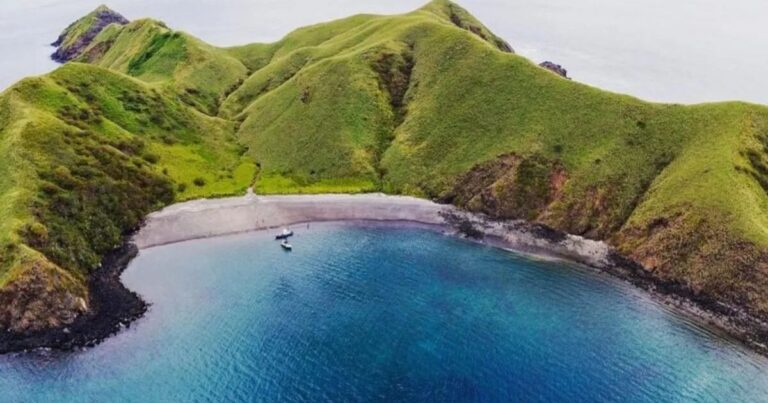
Playa Danta is associated with the Las Catalinas area. Together with other small bays in the region, it is surrounded by hills that provide views of Brasilito and Potrero bays. Official tourism information indicates that the waters at these beaches are generally calm and that visitors may see small islets and the Catalina Islands from the area. The location may be suitable for relaxing, walking, or enjoying the water when conditions are safe.
Tours That Can Be Included in the Route
In addition to the beaches, Tamarindo and its surroundings offer experiences that can be incorporated into any of the four days.
1. Surf Lessons
Tamarindo is a well-known destination for surf lessons. A class with an instructor allows beginners to learn safety measures, basic techniques, and proper conduct in the water. Travelers with experience can explore other areas, but they should first learn about local conditions. The required skill level varies depending on the beach and the tide.
2. Sailing and Catamaran Tours
Excursions departing from Tamarindo or Flamingo allow travelers to view the coast from the ocean. Some tours include stops for swimming or snorkeling, while others focus on sunset sailing. Before booking, it is advisable to confirm the group size, duration, and weather-related cancellation policies.
3. Snorkeling and Diving
Snorkeling and diving experiences depend on sea conditions. The Catalina Islands, which are visible from sections of the northern coast, are well known within Guanacaste’s selection of marine activities.
Interested travelers should book with professional operators and choose an activity appropriate for their level of experience.
Tips for Driving Through Guanacaste
Driving through the province makes it possible to organize a personalized itinerary, but it also requires planning. The following recommendations can help make the journey more comfortable.
- Do Not Schedule Too Many Stops in One Day: Visiting three or four beaches may appear easy when looking at a map. However, each stop involves parking, walking, organizing personal belongings, and returning to the road. A route with fewer destinations provides more time to enjoy each place. It is preferable to explore two beaches calmly rather than pass through five without fully experiencing any of them.
- Check Road Conditions: Rain may affect secondary access roads. Before traveling, it is advisable to request recent information from your accommodation, tour operator, or vehicle rental office. Do not enter an unfamiliar road simply because an application identifies it as the shortest route. When in doubt, it is better to remain on main roads.
- Avoid Leaving Belongings Visible: Cameras, phones, bags, and luggage should be stored in a secure place. Ideally, travelers should carry only what they need during each outing and use authorized parking areas whenever available.
- Respect Speed Limits and Drive Carefully: Guanacaste’s roads may be shared by pedestrians, cyclists, motorcycles, and animals. Defensive driving is essential, particularly at night or during heavy rain.
- Choose the Vehicle According to the Route: The appropriate vehicle category depends on the number of passengers, amount of luggage, time of year, and destinations included in the itinerary. A group traveling with several suitcases will need more space than a couple taking a short trip.
At Budget Rent a Car Costa Rica, we can guide travelers in selecting an option that matches their actual needs, helping them avoid choosing a vehicle solely based on appearance or size.
The Best Time of Year for a Tamarindo Road Trip
Tamarindo can be visited at different times of the year, but each season has its own characteristics. In Guanacaste, most rainfall occurs between May and November, while the months from December through April are generally drier.
During the dry season, conditions on secondary roads are usually more predictable, but beaches and tourism services may receive more visitors. Booking accommodations, tours, and a rental vehicle in advance can help travelers organize the trip more effectively.
The rainy season offers greener landscapes and a different atmosphere. Rainfall does not necessarily last all day, but it may affect driving times and the condition of certain access roads.
At any time of year, it is advisable to avoid an overly rigid schedule. A change in the weather can become an opportunity to enjoy a longer lunch, explore Tamarindo, or move an activity to the following day.
How Can You Make the Most of the Final Day?
When the trip ends with a flight from Guanacaste Airport, it is important to leave enough time for the drive, vehicle return, and airport procedures.
Travelers should avoid scheduling a distant visit or an extended activity during the hours immediately before the flight. Traffic, weather, or an unexpected stop could affect the schedule.
A practical option is to spend the final morning in Tamarindo, have breakfast near the accommodation, and leave with sufficient time. Another alternative is to make a short stop in a community located along the route, provided the schedule allows it.
Before returning the vehicle, check that no personal belongings have been left inside, confirm the required fuel level, and keep all rental documentation readily available.
Discover Guanacaste With the Freedom to Travel at Your Own Pace
Tamarindo offers enough activities to fill several days, but its true potential can also be found in the destinations that surround it. Playa Langosta, Playa Grande, Avellanas, Brasilito, Conchal, Flamingo, Potrero, and Las Catalinas reveal different sides of Guanacaste’s coastline.
Renting a vehicle allows travelers to decide when to leave, how long to remain at each beach, and where to stop along the way. It also makes it easier to modify the itinerary according to the weather, sea conditions, or local recommendations.
This freedom is not about driving more, but about using your time more effectively. At Budget Rent a Car Costa Rica, we offer vehicle options for different travel styles, from couples’ getaways to family vacations and multi-day road trips.
When selecting your vehicle, consider the number of passengers, amount of luggage, time of year, and the roads included in your route.
Reserve your vehicle with us and travel with comfort, flexibility, and the freedom to create your journey your way.
Frequently Asked Questions
How Many Days Are Needed to Explore Tamarindo and Its Surroundings?
A four-day stay provides enough time to explore Tamarindo and take several nearby excursions. Travelers who want to surf, book tours, or spend more time at each beach may extend their trip to five or seven days.
Is It Necessary to Rent a Car to Visit Tamarindo?
It is possible to remain in central Tamarindo without a vehicle. However, a car makes it easier to visit Playa Grande, Avellanas, Conchal, Flamingo, Potrero, and Las Catalinas, particularly when travelers want to control their own schedules.
Can Conchal, Brasilito, and Flamingo Be Visited on the Same Day?
Yes. All three destinations can be included in the same route. It is advisable to begin early, spend the morning in Brasilito and Conchal, and continue to Flamingo during the afternoon.
What Type of Vehicle Is Best for Exploring Guanacaste?
The choice depends on the season, number of passengers, amount of luggage, and access roads included in the itinerary. A conventional car may be sufficient for routes that remain on main roads. A vehicle with greater ground clearance may provide additional comfort on secondary roads or during the rainy season.
Where Can Travelers Find Local Information About Tamarindo?
In addition to consulting official sources and authorized operators, travelers can use Tamarindo Guide to find restaurants, activities, services, and local businesses.