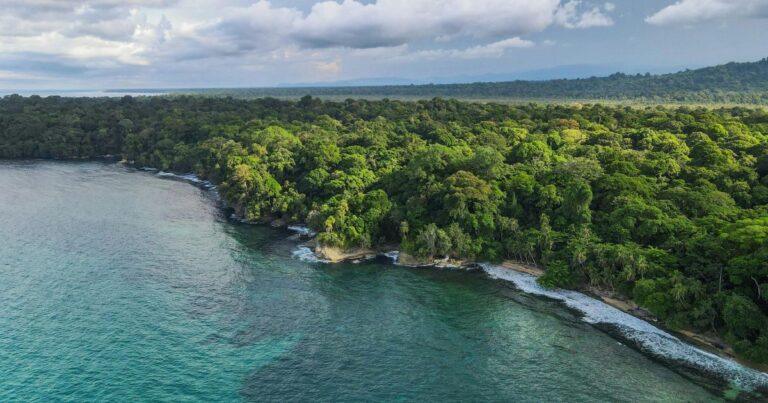

Planning a trip to Costa Rica may seem simple when looking at the map. The country is relatively small, distances do not appear long, and many famous destinations are connected by road. However, once on the route, travelers discover something important: in Costa Rica, what matters is not only how many kilometers there are between one point and another, but how long it takes to get there, how the weather changes, what type of road you will find, and what travel pace you want to follow.
That is why a good itinerary should not be packed with one activity after another. It should be flexible, realistic, and adaptable. At Budget Rent a Car, we know that many visitors arrive with a long list of places they want to discover, and the key is organizing the trip intelligently so they can enjoy more and rush less.
Costa Rica offers very different experiences within relatively short distances. It is a country that allows travelers to combine nature, adventure, beaches, culture, gastronomy, and rural tourism within the same visit, which explains why many travelers want to explore several regions during their stay.
Key Tips for Traveling Around Costa Rica
A flexible itinerary allows you to make better decisions during your trip. Perhaps one day starts rainy in the mountains but sunny at the beach. Maybe a hike takes longer than expected, or a town along the way turns out to be more interesting than it first seemed. It may also happen that a family needs to rest, a couple wants to stay one more night in a destination, or a group of friends decides to change the route after discovering a local recommendation.
Costa Rica is an ideal country for this type of freer travel. However, to make it work, it is best to avoid a common mistake: trying to visit too many destinations in just a few days. Although the country is not large, many routes pass through mountains, curves, bridges, foggy areas, rural sections, or roads with variable traffic. That is why we are sharing key tips to help you avoid inconveniences during your trip.
1. Start by Defining the Pace of the Trip
Before choosing destinations, it is important to ask yourself what type of experience you want to have. Traveling as a couple and wanting to relax in boutique hotels is not the same as traveling with children, hiking every day, or combining beach time with adventure.
For a relaxed trip, the ideal option is to spend at least two or three nights in each base destination. For a more active trip, you can include more stops, but it is best to leave free time between activities. For a first trip to Costa Rica, we recommend choosing between two and four main regions, depending on the number of days available.
For example, in one week you can follow a simple route such as San José, La Fortuna, and Manuel Antonio. In ten days, you can add Monteverde or an additional beach area. In two weeks, it is possible to combine the Central Valley, Arenal, Monteverde, the Central Pacific, and Guanacaste at a more comfortable pace.
2. Do Not Plan Only by Distance; Plan by Real Travel Time
One of the most important tips for planning a trip to Costa Rica is to calculate transfers by time, not only by kilometers. A 120-kilometer route may seem short, but if it crosses mountains, curves, or areas with traffic, it can take several hours.
That is why, when creating your itinerary, it is best to leave generous time margins. Avoid scheduling an important activity immediately after a long transfer. It is also recommended to drive during the day, especially if you do not know the area, since some routes may have limited lighting, sudden rain, or sharp curves.
At Budget Rent a Car, we recommend checking the route before leaving, confirming the weather conditions, and asking at the rental office whether the type of vehicle you selected is suitable for your destination. This is especially useful if the trip includes mountain areas, remote beaches, or secondary access roads.
3. Choose a Few Bases and Explore from There
A smart way to plan a flexible itinerary in Costa Rica is to choose strategic base destinations. Instead of changing hotels every day, you can select places that work as starting points for several nearby activities.
La Fortuna, for example, allows you to enjoy hot springs, waterfalls, trails, hanging bridges, and views of Arenal Volcano. Monteverde is ideal for cloud forest, hiking, canopy tours, and nature experiences. Manuel Antonio combines beach, wildlife, and gastronomy. Guanacaste offers beaches, sunsets, water activities, and routes to national parks.
Using base destinations reduces fatigue, avoids packing every day, and allows you to adjust plans depending on the weather. If it rains one morning, you can replace a hike with an indoor activity, a relaxed lunch, or a shorter drive.
4. Consider the Weather and Regional Differences
Costa Rica has very distinct microclimates. It can rain in a mountain area while another region enjoys sunshine. The Caribbean, the Pacific, the Central Valley, and the highlands do not always follow the same weather pattern. That is why a rigid itinerary can be frustrating if everything depends on a specific activity on an exact day.
The rainy season can also affect the driving experience. Some routes may have fog, puddles, reduced visibility, or slower sections. This does not mean you cannot travel, but it does mean it is better to allow more time and choose the right vehicle.
For travelers looking for Costa Rica trip-planning tips, this point is essential: do not fill every day with fixed activities. Leave space to rest, change routes, or return to a place you loved.
5. Transportation Defines How Flexible Your Trip Can Be
Your choice of transportation directly affects the experience. Public transportation can work for some routes, but it usually depends on schedules, specific routes, and connections that do not always match the traveler’s pace. Shared transfers can also be useful, although they usually have fixed schedules and offer less freedom to make stops.
Renting a car in Costa Rica allows for a much more adaptable experience. It also makes it easier to travel with luggage, beach gear, hiking shoes, shopping bags, child seats, or personal items.
For travelers comparing car rental options in Costa Rica, Budget Rent a Car offers offices in strategic locations such as Juan Santamaría International Airport, Tamarindo, and other important areas of the country, with flexible hours and personalized service for travelers’ convenience.

6. Choose the Right Vehicle for Your Route
Not every itinerary requires the same type of car. If your route focuses on the city, main roads, and easy-access destinations, a sedan may be enough. If you plan to visit mountain areas, secondary roads, beaches with more uneven access, or travel during the rainy season, an SUV can offer greater comfort, clearance, and confidence.
At Budget Rent a Car, we help travelers choose their rental car based on their route, number of passengers, luggage, and travel style. A couple visiting San José, La Fortuna, and Manuel Antonio may have different needs than a family exploring Guanacaste or a group carrying surfboards.
For travelers arriving at the San José airport, picking up the car at the beginning of the trip can save time and avoid additional transfers, especially when they want to head directly to La Fortuna, Monteverde, Manuel Antonio, or the Central Pacific.
7. Do Not Overload the Itinerary
One of the biggest mistakes when planning a trip to Costa Rica is wanting to see everything. Although the list of destinations may be tempting, an overloaded itinerary can turn a vacation into a race.
A good rule of thumb is to leave at least one free afternoon every two or three days. It is also best to avoid long transfers on consecutive days. If a trip includes a four- or five-hour drive, it is better not to schedule demanding activities upon arrival. A relaxed lunch, a short walk, or an afternoon at the hotel may be better options.
We also recommend prioritizing experiences, not just places. Instead of visiting five beaches in two days, it may be more memorable to enjoy one beach calmly, walk at sunset, eat at a local restaurant, and have time to rest.
Example of a Flexible 8-Day Itinerary in Costa Rica
A balanced route for a first trip could look like this:
Day 1: Arrival in San José, car pickup, and overnight stay near the airport or in the city.
Days 2 and 3: Travel to La Fortuna for hot springs, waterfalls, trails, and Arenal views.
Days 4 and 5: Transfer to Monteverde for cloud forest, hanging bridges, and adventure activities.
Days 6 and 7: Travel to Manuel Antonio or the Central Pacific for beach, nature, and relaxation.
Day 8: Return to San José with enough time to drop off the car and take your flight.
This type of route allows travelers to experience mountains, forest, and beach without changing hotels every day. It also leaves room to adjust activities according to weather, energy levels, and personal preferences.
At Budget, We Make Traveling Around Costa Rica Freer
Planning a flexible itinerary in Costa Rica is one of the best ways to enjoy the country. Distances, weather, topography, and the variety of destinations make freedom of movement a major benefit. With the right car, the trip no longer depends on fixed schedules and becomes a more personal experience.
At Budget Rent a Car, we offer a variety of vehicles designed for different travel styles, from sedans for simple routes to SUVs for travelers seeking greater comfort on mountain roads or longer drives. We also have strategic offices to start your journey from key points such as San José, Paseo Colón, San José airport, and other tourist areas such as Tamarindo, Flamingo, and Cóbano.
When organizing your next trip, reserve your car with Budget Costa Rica and enjoy the freedom to change plans, discover new places, and explore the country with peace of mind and confidence.